Maine Coon Cat Care Guide: Feeding, Grooming, Health and Home Setup
The first week with my Maine Coon, I realised that everything about this breed runs large. The bowls, the litter tray, the appetite and the personality all scale up too.
Good maine coon cat care is not complicated, but it rewards a steady routine. This guide walks through each pillar and points you to the detailed guide where a topic deserves more space.
I write as an owner and enthusiast who has learned by living with these cats, not as a vet. Anything medical in this guide is general information, and your own vet always has the final word.
Feeding a Maine Coon
Start with the label and look for a named meat first, such as chicken, turkey or salmon. A food built on vague meat derivatives and fillers rarely keeps a big, slow growing cat in good condition.
Choose a complete and balanced recipe that suits your cat’s life stage, and introduce any new food gradually over a week. I keep two trusted brands in rotation so a stock problem never forces a sudden change.
A mix of wet plus dry food suits most homes, with wet food adding welcome moisture. Dry food still earns its place for measured meals and puzzle feeders between play sessions.
Measure portions with a cup or kitchen scale rather than pouring by eye, because this breed begs beautifully. Split the daily amount into two or three meals and adjust slowly if the ribs start to vanish under padding.
Keep fresh water down at all times, changed daily and set a little away from the food if your cat prefers that. Many Maine Coons adore a drinking fountain, though mine treats his as a foot bath afterwards.
Kittens need their own rules, because this breed keeps growing for three to five years rather than one.
The weekly routine, in numbers
A realistic week for an adult Maine Coon looks like this: two or three brushing sessions of about ten minutes, two play sessions a day of ten to fifteen minutes, a litter scoop every day, and a quick claw and ear check once a week. That adds up to roughly an hour of hands on care a week, plus feeding and scooping. It is not a small commitment, but it is a steady one, and the cats who get it are the ones who stay comfortable.
Write the routine down somewhere visible for the first month, so the habit stays honest while it forms. Our guide to the best cat food for Maine Coon cats and kittens covers the feeding half of the routine in the same detail.
Most stay on kitten food well into the second year, and my guide to the best cat food for Maine Coon cats and kittens covers portions and brands in depth.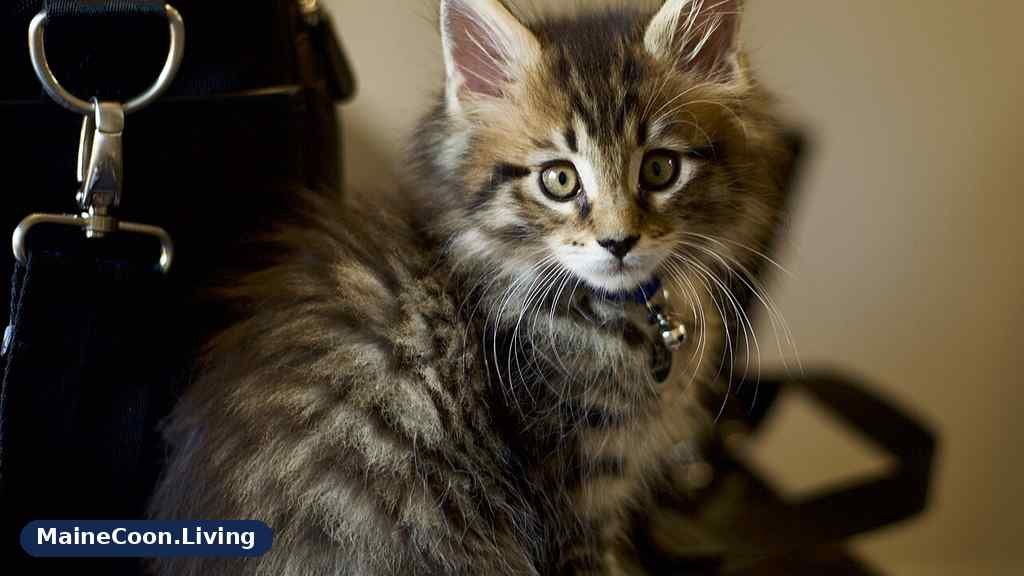
Grooming the Long Coat
Book two to three brushing sessions a week into your routine and treat them as appointments, not extras. Ten calm minutes on a regular rhythm prevents coat problems that later take an hour of stress to sort out.
Start with a wide tooth comb to find tangles, then follow with a slicker brush to lift out loose undercoat. Tease snags apart gently with your fingers instead of dragging the comb through and hurting the cat.
Mats gather in the same places on almost every Maine Coon I have met. Check behind the ears, under the front legs and along the belly, and leave any mat tight to the skin for a groomer or vet.
Baths stay rare in our house, kept for real messes or a coat that has turned greasy. Use shampoo made for cats, rinse thoroughly and allow plenty of time for drying.
Once a week I check claws and ears while the cat is relaxed from brushing. Claw tips get a small trim when sharp, and ears get checked for wax, redness or an odd smell.
Ears deserve their own routine, and my guide to Maine Coon ear cleaning and ear mites walks through what healthy wax looks like, how to clean safely, and the signs that mean mites rather than dirt.
Technique beats expensive tools every time with this coat.
Care changes with the seasons
Spring is the heavy season, when the winter undercoat comes out in handfuls and brushing steps up to every other day. Summer is about heat: cool floors, fresh water, and shade matter more than extra grooming. Autumn brings a smaller coat change and a good moment to check for mats before the thick winter coat grows through them.
That thick winter coat is only half the story, and my guide to Maine Coon winter adaptations covers the rest, from snowshoe paws and frozen water to the salt and antifreeze hazards underfoot.
Winter care is mostly the same routine done consistently, with dry heated air as the one new problem. Watch for flaky skin and static in the coat, and keep water bowls topped up. Our guide to whether Maine Coons shed a lot explains the seasonal pattern in detail, and our notes on the lion cut explain why shaving the coat is not the answer to summer heat.
My full routine, from kitten practice sessions to safe mat work, is in how to groom a Maine Coon cat.Litter Box Setup
Size decides whether a litter setup works for this breed, so measure your cat before you buy anything. The box should run about one and a half times the length of the cat, which rules out most standard trays.
Provide one box per cat plus a spare, even in a home where the cats happily share. The spare prevents the floor accidents that start when the only box is dirty or busy.
Place boxes in quiet corners with easy access, away from food bowls and noisy appliances. Scoop daily, refresh litter as needed and wash the box with mild soap on a rota you can keep.
Kittens settle fastest when the box is large, clean and always in the same place. My early weeks routine is in how to litter train a Maine Coon kitten.
Health Checks and Vet Visits
Book a wellness exam once a year for an adult Maine Coon, even when everything looks fine at home. That visit lets a trained eye check weight, heart sounds, joints and teeth before small changes become problems.
From the age of seven, step up to twice yearly visits if your vet agrees with the plan. Older cats hide illness well, and shorter gaps between checks catch kidney, thyroid and heart changes earlier.
Learn the breed linked names your vet may raise, mainly hypertrophic cardiomyopathy, hip dysplasia and spinal muscular atrophy. Good breeders screen for these conditions, and your vet can explain which tests suit yours.
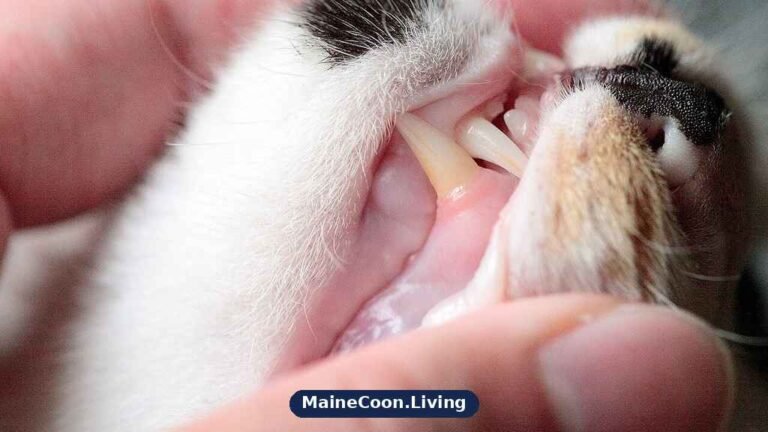
Teeth need a weekly habit at home, whether that is a cat toothbrush, dental wipes or food your vet recommends. Dental pain is quiet pain, and many cats keep eating through it until a tooth is beyond saving.
At home, feel for ribs under a light covering of fat and look for a waist from above. A sudden change in either direction over a few weeks deserves a phone call, not a wait and see approach.
What it costs, honestly
A pedigree Maine Coon kitten from a registered breeder commonly costs 1,500 to 3,500 dollars, and our full guide to Maine Coon prices breaks down the first year and the lifetime figures behind that number. The purchase price is the small part, though, because food for a very large cat, litter, insurance and routine vet care run on every year after it.
Budget for the cat before you budget for the kitten. A realistic plan sets aside money for the first year, including neutering, vaccinations and a microchip, and keeps an emergency fund for the bill nobody plans for. Adoption is the cheaper way in, with shelter fees commonly 75 to 300 dollars and breed rescue fees more often 250 to 500 dollars, and our guide to adopting a Maine Coon explains what those fees cover.
For symptoms, screening questions and what to ask at appointments, see my overview of Maine Coon health problems. Reading it before a visit makes for a far better conversation.
Exercise and Enrichment
Two play sessions a day, each lasting ten to fifteen minutes, keep my cat lean, settled and far less inventive at night. I finish with a small meal, the way a hunt would end.
Buy a sturdy tall cat tree with a heavy base, wide platforms and thick posts for a full stretch scratch. A tree that rocks when a large cat lands on it will be ignored, however pretty it looks.
Put scratching posts beside sofas and sleeping spots, the places cats most want to scratch when they wake. Offer upright and flat options together, because claw habits vary and most cats use both across a week.
My measuring notes and shortlist sit in the guide to the best cat tree for a Maine Coon. Add a catio or a secure window perch if you can, and rotate toys weekly so the room keeps feeling new.
Home Setup and Safety
Assume everything needs to be supersized, from the carrier and bed to the litter box and scratching post. Gear made for an average cat is usually outgrown before the first birthday.
Heat bothers a heavily coated cat more than most owners expect, so set up a cool retreat on tiles or in shade. A fan, a closed curtain on the sunny side and constant fresh water help far more than shaving the coat.
Check every new houseplant before it comes through the door, because lilies are extremely dangerous to cats.
If you have not got your cat yet, adoption is worth a serious look before you talk to a breeder. An adopted adult Maine Coon arrives with a known size, a settled coat and a personality the foster home can describe, which takes a lot of guesswork out of the decision. Our guide to adopting a Maine Coon covers breed rescues, general shelters, fees and the first month at home.
I keep the ASPCA list of toxic and non toxic plants bookmarked and check it at the garden centre.The general ASPCA cat care pages are worth bookmarking alongside it for everyday questions. Keep medicines, sprays and string like items behind latched doors, because a tall cat opens cupboards easily.
Training and Socialisation
This breed is cheerfully food motivated, which makes training the easiest pillar of care for most owners. A tiny, smelly treat paid the moment a behaviour happens will teach almost any household routine.
Timing matters more than the treat itself, so reward within a second or two of the action you want. A late reward pays whatever came last, usually sitting and staring at your pocket.
Keep sessions to a few minutes, end on a success and let kittens meet people, sounds and gentle handling early.
The socialisation window is the reason early matters so much. Kittens are most open to new people, sounds and handling between about two and seven weeks of age, with the window staying partly open until about 12 to 14 weeks. A kitten handled gently by several different people in that window usually grows into an adult who takes visitors, vet visits and grooming in stride.
That window belongs mostly to the breeder, so it is worth asking about before you choose one. Ask who handled the kittens, how often, and whether they met children, men with beards, people in hats and ordinary household noise. Our guide to Maine Coon temperament explains how those early weeks shape the adult cat you live with.
Calm socialisation in those first months pays off for years at vet visits and grooming sessions.Harness training works well with many Maine Coons when it starts indoors, a few minutes at a time. Let the cat set the route outside at first, and build distance only when they stay relaxed and curious.
Care After Ten Years
After ten years the pace changes, and kind care means reshaping the home rather than expecting the cat to cope. Lower favourite perches, cut down one side of the litter box and feed somewhere quiet.
Ramps and steps to beds and windowsills spare stiff joints the big jumps of youth. My notes on appetite, mobility and comfort in the later years are in senior Maine Coon care.
When to Call the Vet
Some changes should never wait until morning, whatever the clock says. Call your vet or an emergency clinic straight away if you notice any of the following signs.
- Struggling to breathe, or breathing with the mouth open
- Straining to pass urine with nothing coming, especially in males
- Refusing all food for over a day, or repeated vomiting
- Collapse, a swollen belly, or crying out when touched
That list is a starting point from an owner’s experience, not a diagnosis. If something feels badly wrong, trust your instinct and make the call.
Frequently Asked Questions
How often should I brush a Maine Coon?
Two to three times a week suits most coats and keeps mats from forming. Daily brushing helps during heavy seasonal shedding in spring.
How long should a Maine Coon kitten stay on kitten food?
Well into the second year for most kittens, because the breed grows for three to five years. Switch to adult food gradually, mixing increasing amounts over about a week.
How big should a litter box be for a Maine Coon?
About one and a half times the length of your cat, so they can turn and dig comfortably. Provide one box per cat plus a spare, placed in a quiet spot.
How often does a Maine Coon need to see a vet?
Once a year for a healthy adult, covering weight, teeth, heart and joints. From about seven years old, twice yearly visits help catch age related changes earlier.
Can a Maine Coon learn to walk on a harness?
Yes, many learn happily because the breed is curious and food motivated. Start indoors for a few minutes, reward calm behaviour and let the cat choose the route outside.




9 Comments