
Do Maine Coons Shed a Lot? What I Find in My Own Home
Short answer first, because that is what I wanted when I first asked this question. Yes, my Maine Coon sheds, and at certain times of year he sheds a great deal, but for most of the year I would call it moderate and liveable.
I am Umar, and I live with this coat every day. I am not a vet and I do not pretend to be one, so what follows is owner experience, plain observation, and the points where I stop guessing and book a professional instead.
The short, honest answer
On an ordinary winter week, I notice hair mainly where my cat actually spends time. It gathers on his blanket, on the arm of the sofa, and on any dark jumper I foolishly leave on a chair.
That changes completely in spring. For several weeks I can brush out a soft pile that looks absurd next to a still fully coated cat, and I find pale tumbleweeds of undercoat rolling out from under the furniture.
So the question do Maine Coons shed a lot depends on when you ask it. In February the answer feels like not really, and in April the answer from the same house is very much yes.
Why the coat is built to shed
To understand the hair on your floor, it helps to picture the coat in layers rather than as one long sheet of fur. Writers often call it a triple layer, and in daily life I think of it as three jobs sitting on top of each other.
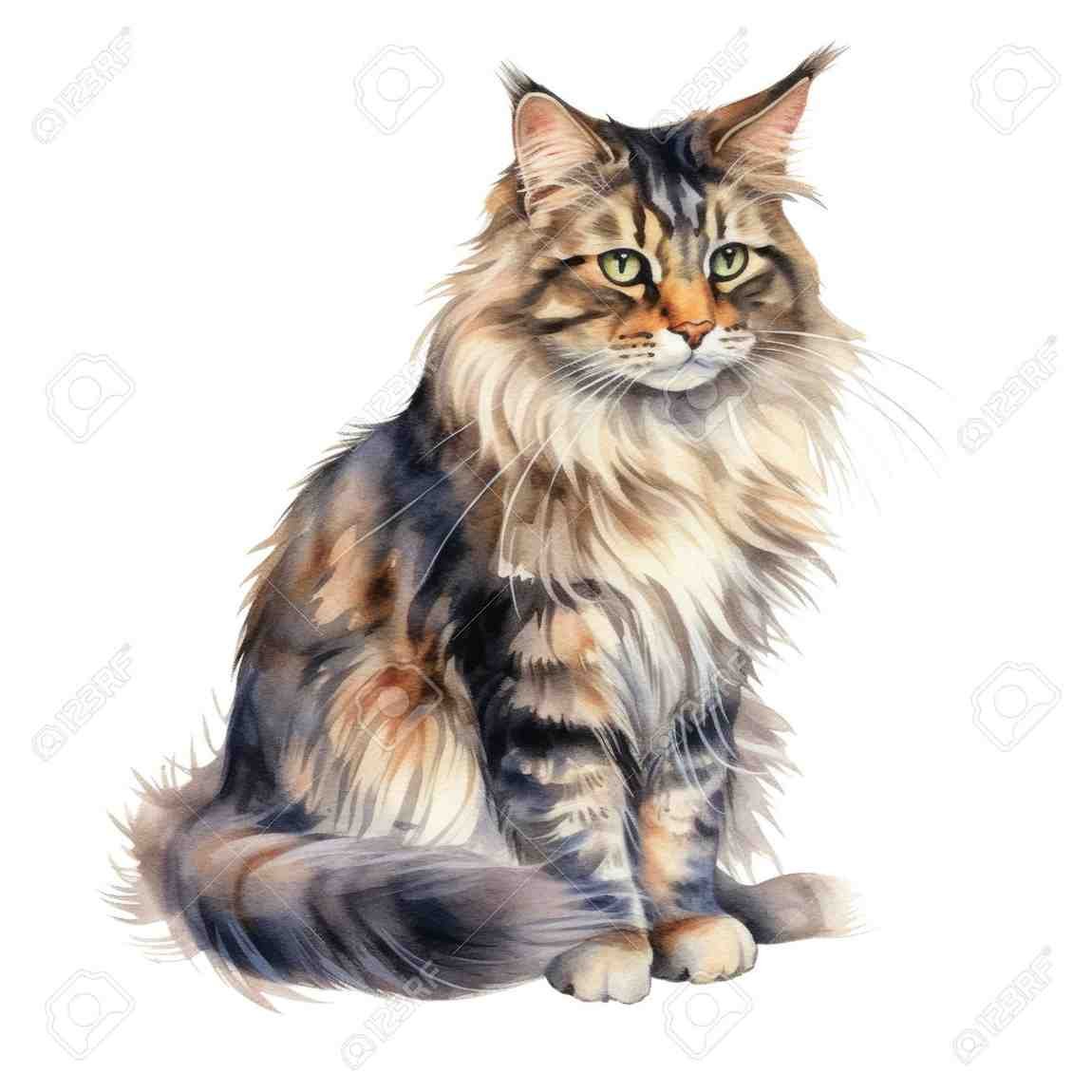
Closest to the skin is a fine, dense undercoat that traps warmth. Around and through it sit softer insulating hairs, and over the top lie longer guard hairs that give the coat its flowing look and help it shrug off damp weather.
Why the layers matter
The undercoat does most of the seasonal work. It thickens as the days shorten, thins hard when the light returns, and it is that soft underlayer that fills the brush and drifts around the house in spring.
The longer outer hairs shed more steadily and are easier to spot. A single long hair on a white shirt looks dramatic, which is one reason this breed can seem to shed more than a shorthaired cat that is actually losing hair just as often.
The coat also varies a lot between individual cats. Some Maine Coons grow a silky, flowing coat that tangles less, while others grow a thicker, more cottony one that holds loose hair, mats faster, and seems to leave more behind.
What a spring blow out really looks like
People use the phrase blow out as if the cat explodes overnight. Mine starts quietly, with a little more hair in the brush and a few extra clumps on the cat tree, and then builds over a week or two.
At its peak, I brush in sections and keep emptying the brush. The ruff looks thinner, the trousers at the back legs lose their winter bulk, and the tail, oddly, still looks magnificent throughout.
A typical peak lasts a few weeks, not a single weekend. Some years it stretches longer, especially if the weather swings between cold and warm and the coat seems to change its mind.
Indoor cats and the blurred seasons
Living indoors softens the pattern but does not remove it. Heating, artificial light and a fairly constant room temperature can spread shedding across more of the year, so indoor cats often look less dramatic in spring and less tidy in midwinter.
My own routine reflects that blur. I never fully put the brush away, and I watch the brush rather than the calendar to tell me when the real change has started.
The quieter autumn change
Autumn catches many owners out because it is less theatrical. The lighter summer coat loosens while the winter undercoat comes in, so you get a few untidy weeks rather than a full spring style clear out.
I notice it most when I comb through the belly and behind the front legs. Loose hair comes away, small tangles form faster, and a coat that behaved all summer suddenly needs a little more patience.
It is also the moment to get ahead of mats. If loose undercoat sits in the coat while the new thick layer grows through it, you can end up with felted patches exactly where the cat least enjoys you working.
Kittens, adults and older cats
Kitten shedding confused me at first. The baby coat is soft and uneven, and as the adult coat grows in between roughly six months and a year, a young Maine Coon can look patchy, leggy and slightly moth eaten for a while.
That scruffy phase passed for us without any drama. The adult ruff took its time, the tail filled out later than I expected, and the coat I judged at eight months was not the coat I was living with at two years.
Older cats can change again. Some coats thin a little with age, grooming gets harder for a stiff or sore cat, and loose hair builds up simply because the cat can no longer reach or tolerate the same routine, which is a good reason to raise any clear change with your vet.
Normal shedding versus too much
Normal shedding, in my experience, is even. Hair comes from all over the coat, the skin underneath looks calm, the cat behaves like himself, and however much I brush out, the coat itself never looks thin or broken.
It also follows a rough logic. It rises in spring, settles in summer, stirs again in autumn, and it responds to brushing, in that a good session clearly buys me a few cleaner days afterwards.
Excessive shedding breaks that pattern. It starts suddenly out of season, it keeps escalating rather than settling, or it comes with changes in the skin, the coat texture or the cat himself.
Signs I would not sit on
Bald patches are the clearest line for me. Ordinary shedding does not leave bare skin, and neither does ordinary brushing, so any true bald area, sore patch or crusty spot earns a vet appointment rather than another week of watching.
I also pay attention to texture. A coat that turns dull, greasy, flaky or brittle while shedding rises is telling a different story from a healthy coat that is simply changing for the season.
Behaviour counts too. Hiding, appetite changes, frantic scratching, or a cat who suddenly hates being touched around one area all shift the situation from housekeeping to health, at least in my book.
When shedding means a vet visit
I need to be straight here. I can describe what I have seen at home, but I cannot diagnose your cat, and neither can an article, so anything health related in this section is a reason to talk to a vet, not a label to apply yourself.
Owners and vets discuss several possible causes when shedding becomes excessive. Thyroid problems and other hormonal issues, skin disease, parasites, allergies, poor diet and stress are all on the list of things a vet may want to consider and rule out.
The Cornell Feline Health Center is a useful, sober place to read about feline health in general. Even there, the responsible message is the same, which is that an examination and, if needed, tests come before any conclusions.
Over grooming is its own clue
Over grooming can look like shedding until you look closely. A cat who licks his belly, legs or flanks bald is removing hair himself, and the patch often has short, broken stubble rather than smooth empty skin.
That pattern can have physical causes, stress related causes, or both at once. I would not try to settle it with a supplement or a new food at home, because guessing wrong just leaves the cat uncomfortable for longer.
Stress deserves a mention on its own. A house move, building work, a new pet or a changed routine can coincide with heavier shedding in some cats, but stress is also an easy label to reach for, so I treat it as a possibility for the vet to weigh, not my own conclusion.
Food and skin, without the miracle claims
A poor diet can leave a coat looking rough, and I do think feeding matters. My own approach is boring, which is a complete cat food that suits my cat, fed consistently, with fresh water always available and any change made gradually.
What I do not believe in is a shedding cure in a tub. No supplement I have come across stops a spring blow out, and I would check with a vet before adding fish oils or anything else, especially for a cat with other health issues.
If shedding changes after a food swap, note the timing and tell the vet rather than swapping again and again. A simple timeline is far more useful to them than my theory about which ingredient did it, and I keep my wider routine in line with our Maine Coon cat care guide for the basics.
The brushing rhythm that keeps me sane
Brushing is the one thing that genuinely changes how much hair lands in the house. It does not reduce how much coat the cat produces, it simply collects the loose share in one place, at a time of my choosing, instead of on the stairs.
My baseline outside blow out season is two or three relaxed sessions a week. I work through the ruff, chest, belly, trousers and tail in that order, because those are the areas where loose undercoat hides and tangles start.
In spring I step up to every other day, and I keep sessions short if my cat has had enough. A calm five minutes that ends well achieves more over a season than one long wrestling match that makes him avoid the brush cupboard.
Technique matters more than force. I follow the full routine in our guide on how to groom a Maine Coon cat, which covers working in layers and getting down to the skin without raking at it.
Tools matter too, and using the wrong one wastes effort. Our round up of the best brush for a Maine Coon explains which brush suits the undercoat and which is better for finishing, and I would read it before buying a drawer full of gadgets.
One honest warning from my house is this. A brushed cat leaves less hair everywhere else, but only if you brush before the coat lets go on its own, so rhythm beats intensity every single time.
Hair in the home, room by room
I stopped aiming for a hair free house a long time ago. My realistic goal is a house where hair never builds up enough to transfer onto every visitor, every outfit and every plate of toast, and that goal is achievable.
Furniture and favourite spots
Washable throws on the two places my cat loves most do more work than any gadget I own. They catch the daily fall where it actually lands, and once a week they go in the wash while the sofa underneath stays surprisingly presentable.
For the rest of the sofa, I use a damp rubber glove or a pet hair brush in short strokes. It gathers hair into lines I can lift away, and it takes two minutes while the kettle boils, which is exactly the sort of chore I will actually repeat.
Clothes and laundry
Dark clothes are the eternal casualty. I keep a lint roller by the front door and another with my work clothes, I put clean laundry straight away rather than leaving it on the bed, and I shake garments outdoors before washing during blow out season.
In the wash itself, a tumble dryer helps pull hair into the lint filter if the fabric allows it. Delicate items go in a mesh bag, not because it stops hair completely, but because it limits the worst of the transfer from a very hairy throw.
Floors and the robot vacuum question
Hard floors show every drift of undercoat, especially along skirting boards. I run a robot vacuum on the main floor most days in spring, not because it is perfect, but because frequent light passes stop the tumbleweeds forming in the first place.
The robot has limits that are worth admitting. It struggles with long hair wrapped around its brush, it misses the top of the sofa entirely, and during peak shedding I still do a proper vacuum with a pet attachment once or twice a week.
Empty the bin and clean the roller more often than the manual suggests in April. A clogged machine just redistributes hair, quietly, while giving you the comforting feeling that the job is done.
Allergies and the shedding question
People often ask about shedding because what they really mean is allergies. The two are linked in daily life, since hair carries dander around the house, but shedding less would not make a Maine Coon hypoallergenic.
I cover that side properly in our piece on whether Maine Coon cats are hypoallergenic. Anyone with a real allergy should spend proper time around the breed before committing, whatever a breeder promises them.
Regular brushing, washing throws, and keeping the bedroom as a lower hair zone can make living together easier for mildly sensitive people. Those steps manage exposure, they do not change what the cat produces, and severe allergies need medical advice, not cleaning tips.
Learning to live with it
These days I judge shedding by whether my systems are keeping up, not by whether I can find a hair. I can always find a hair, and on a bad day that fact used to irritate me out of all proportion.
The routine that works is unglamorous. Brush on rhythm, throws where the cat sleeps, rollers by the door, floors little and often, and a vet visit the moment the pattern stops looking seasonal or even.
It also helps to remember what the hair is attached to. The ruff, the trousers and that absurd plume of a tail are the whole visual point of the breed, and if your cat is healthy and comfortable, a few weeks of extra housework in spring is a fair price, at least to me. If the pattern worries you, our overview of Maine Coon health problems is a sensible next read before you book in.
Frequently Asked Questions
Do Maine Coons shed a lot all year round?
Mine sheds a steady, moderate amount for most of the year, and I find hair on clothes, sofas and corners rather than everywhere at once. The heavy periods are concentrated in spring and autumn, when the undercoat changes over a few weeks.
When is Maine Coon shedding at its worst?
Spring is the worst in my house, when the dense winter undercoat comes out in handfuls during brushing and in soft clumps around favourite sleeping spots. Autumn is usually milder, with looser hair for a few weeks while the thicker winter coat grows in.
How often should I brush my Maine Coon during a blow out?
I brush every other day in spring, and daily for a few days if the undercoat is coming out in clumps. Outside blow out season, two or three calm sessions a week keep on top of loose hair for my cat, though every cat and coat differs.
Can diet stop my Maine Coon shedding?
No food will stop a seasonal blow out, because that change is driven by daylight and the coat cycle. A complete, good quality diet and steady access to water support healthy skin and coat, but if shedding suddenly worsens, a vet is the right person to check for other causes.
When should shedding make me book a vet visit?
Book promptly if you see bald patches, sore or flaky skin, strong scratching, a broken coat, or a cat licking one area bald. Those signs go beyond ordinary shedding, and only a vet who examines your cat can work out what is going on.