Maine Coon Cat Care: A Guide for Happy, Healthy Giant
Bringing a Maine Coon into your home feels like welcoming a gentle giant with a heart full of love. These cats are known for their size, tufted ears, and friendly nature, but they also have specific needs that every owner should understand. If you are searching for a clear, practical resource on Maine Coon Cat Care: Complete Guide, you are in the right place.
The first weeks with a Maine Coon set the tone for a lifelong bond. From choosing the right food to setting up a safe play area, each decision impacts their well‑being. This guide walks you through every stage, offering simple steps that fit into a busy schedule.
We will cover nutrition, grooming, health checks, exercise, and environment tips that keep your big feline thriving. By the end, you will feel confident giving your Maine Coon the care it deserves.
Understanding the Maine Coon Breed
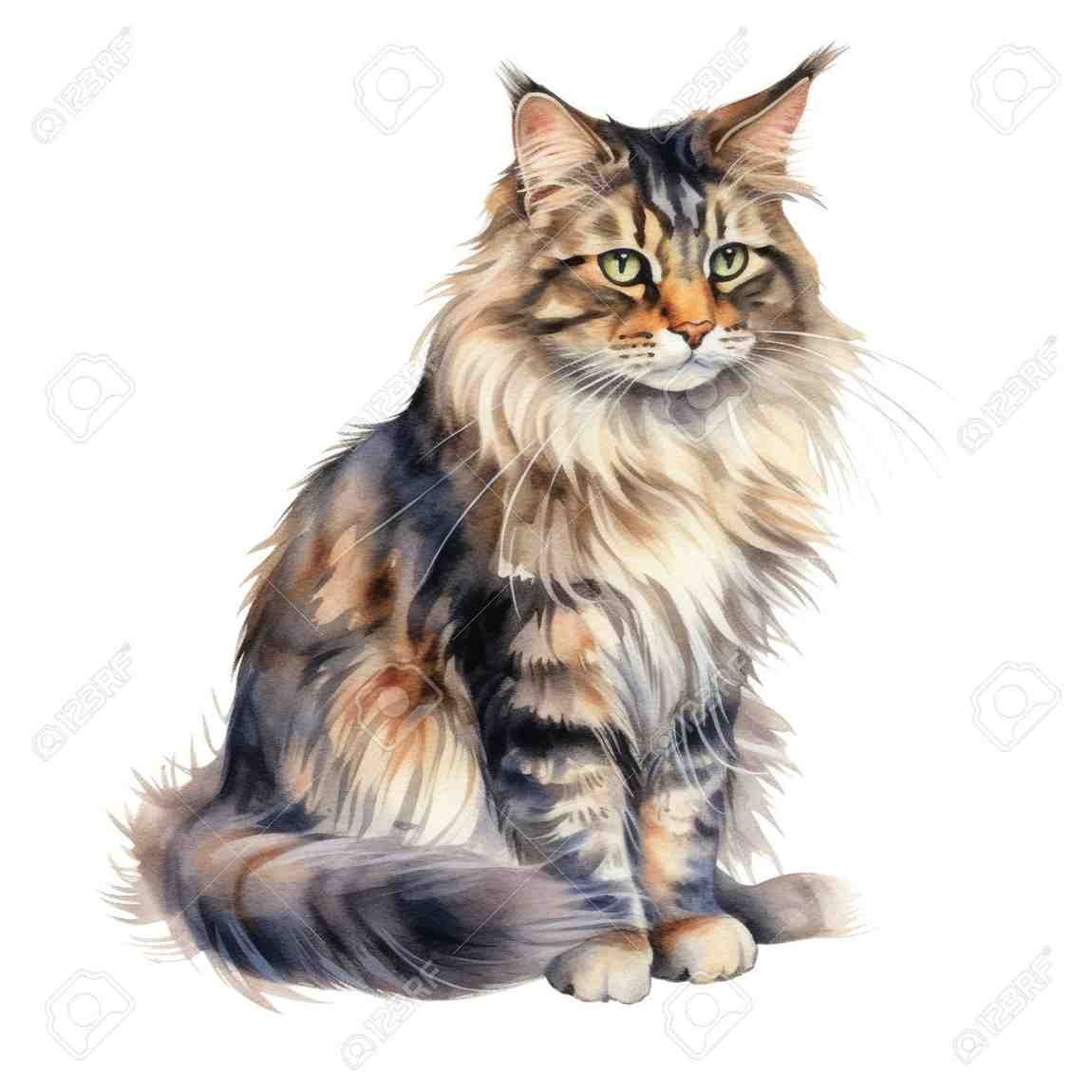
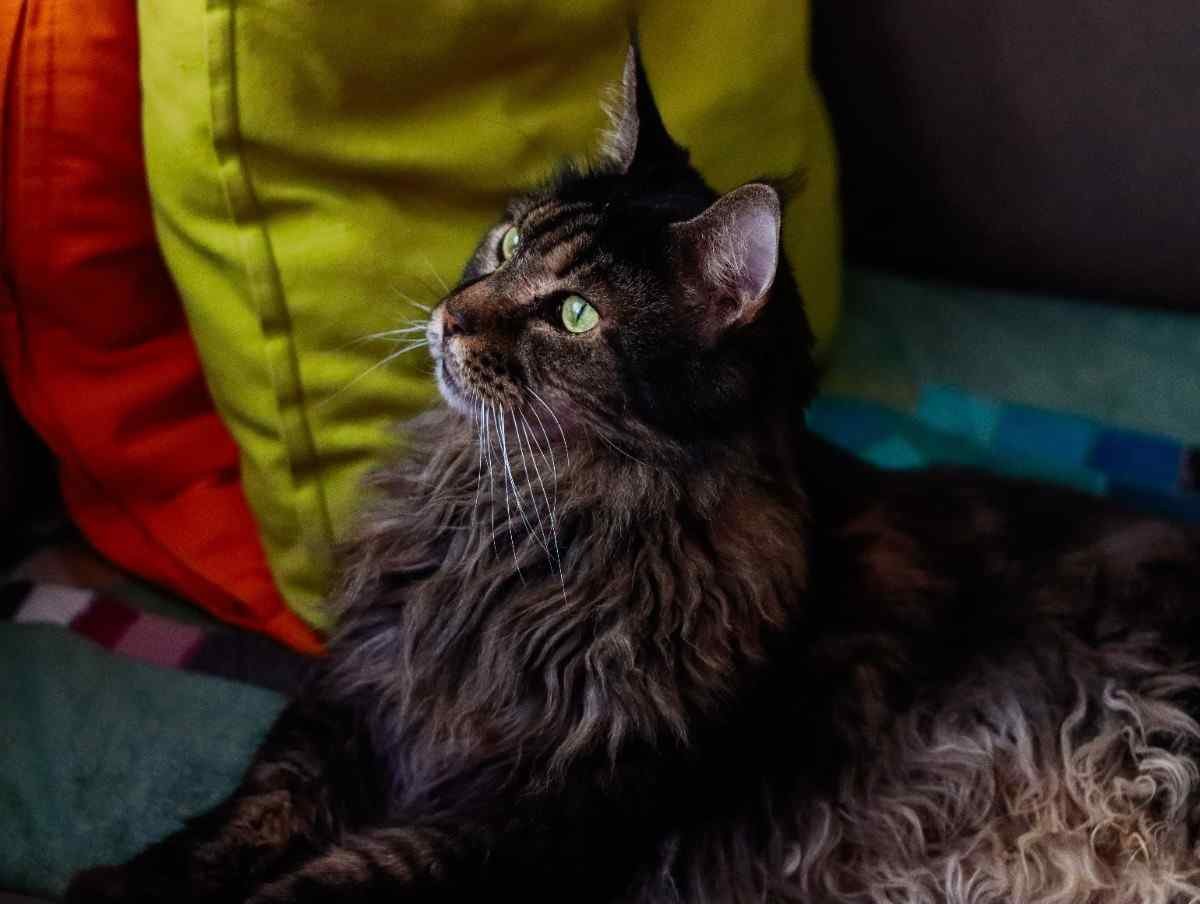
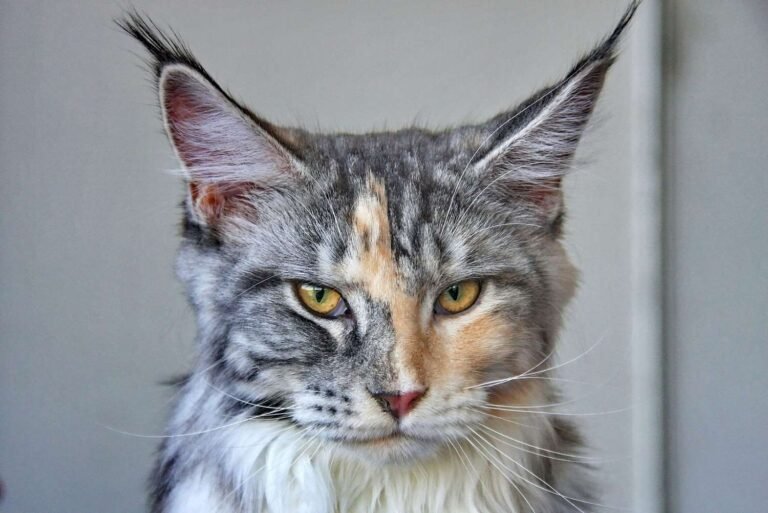
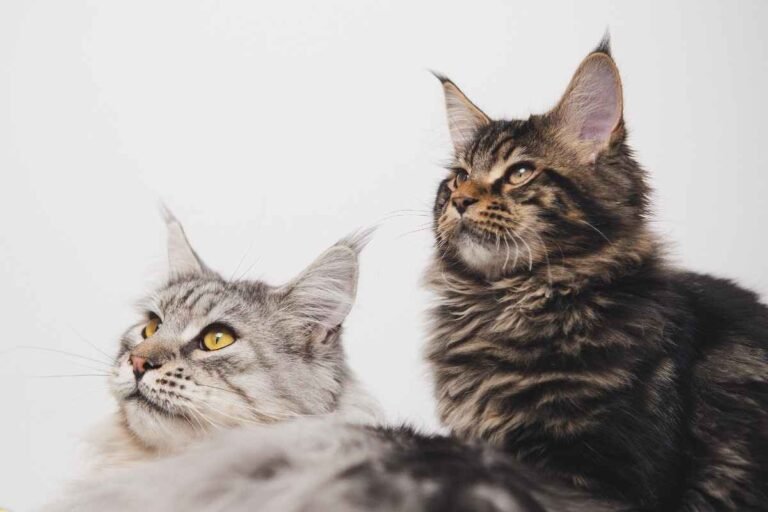
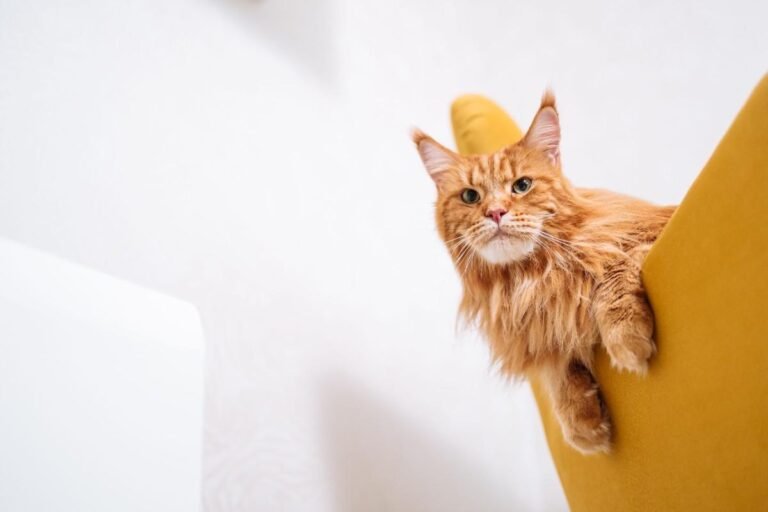
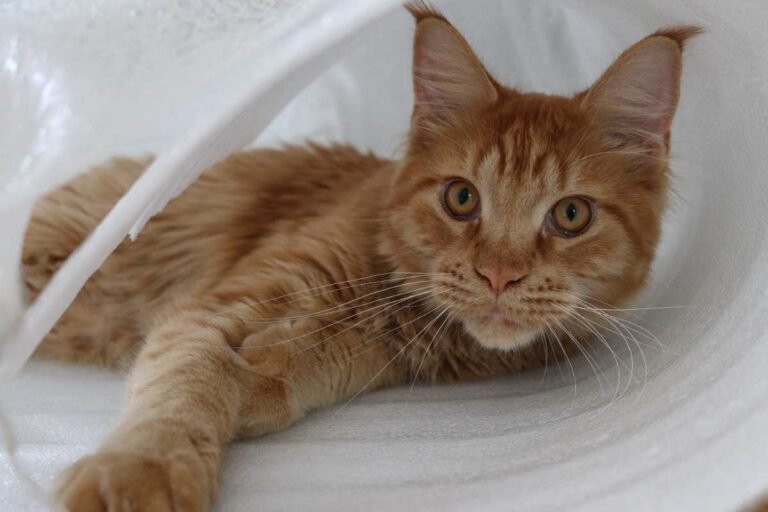
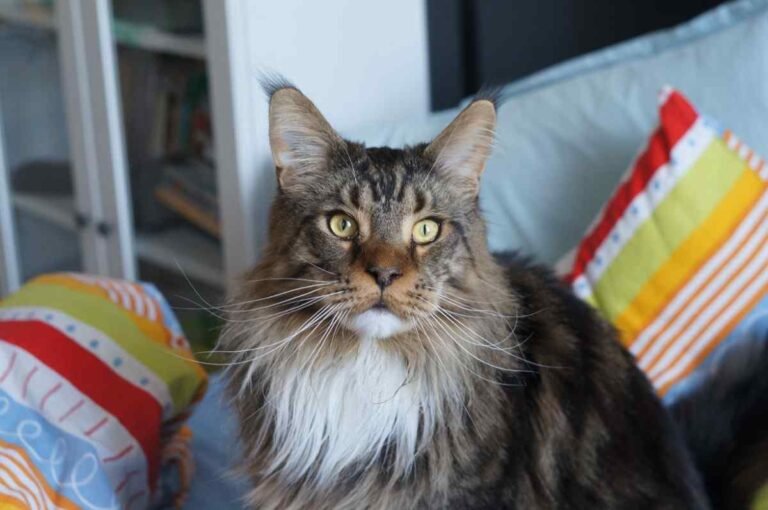
Maine Coons are one of the largest domesticated cat breeds, often weighing between 10 and 25 pounds. Their long, shaggy coat helps them survive cold climates, and their tufted ears give them a wild look. Despite their size, they are known for being gentle, sociable, and often described as “dog‑like” in their loyalty.
These cats enjoy being part of family activities and often follow their humans from room to room. They are vocal, using chirps and trills to communicate, but they are not overly demanding. Knowing their temperament helps you create a home where they feel secure and loved.
When you adopt a Maine Coon, you are committing to a pet that may live 12 to 15 years or more with proper care. Their size means they need more space, stronger furniture, and a diet that supports healthy joints.
Nutrition Essentials for a Maine Coon
Feeding a Maine Coon correctly is the foundation of good health. Because they are large, they require more calories than an average cat, but the quality of those calories matters most. Look for high‑protein foods that list a named meat source as the first ingredient.
Avoid fillers like corn, wheat, and soy, which offer little nutritional value and can lead to weight gain. Many owners find that a mix of wet and dry food works well, providing hydration and dental benefits.
Here are some practical feeding tips:
- Measure portions based on your cat’s weight and activity level.
- Split the daily amount into two meals to prevent overeating.
- Provide fresh water at all times; consider a cat fountain to encourage drinking.
- Talk to your vet about supplements like glucosamine if your cat shows signs of joint stiffness.
Remember that treats should make up no more than 10% of the daily calorie intake. Choose treats that are low in fat and free from artificial additives.
Grooming Your Maine Coon
The luxurious coat of a Maine Coon is beautiful but requires regular attention. Their fur can become tangled, especially behind the ears and under the legs. A weekly brushing routine helps prevent mats and reduces shedding around the house.
Use a wide‑toothed comb or a slicker brush designed for long‑haired cats. Start at the head and work toward the tail, being gentle around sensitive areas. If you encounter a mat, try to tease it apart with your fingers before using the comb.
Bathing is rarely needed unless your cat gets into something dirty. When a bath is necessary, use a cat‑specific shampoo and rinse thoroughly to avoid skin irritation.
Check the ears weekly for wax buildup or signs of infection. Clean them gently with a vet‑approved solution if needed. Trim the nails every few weeks to keep them from becoming too long.
Health and Wellness Checks
Maine Coons are generally healthy, but they are prone to certain genetic conditions. Hypertrophic cardiomyopathy (HCM) is a heart disease that can affect the breed, so regular veterinary screenings are important. Hip dysplasia and spinal muscular atrophy are also seen occasionally.
Schedule a wellness exam at least once a year. For cats over seven years old, consider twice‑yearly visits to catch issues early. Vaccinations, parasite prevention, and dental care should be part of the routine.
Keep an eye on your cat’s weight. Obesity can worsen joint problems and lead to diabetes. If you notice sudden changes in appetite, litter box habits, or energy level, contact your vet promptly.
For reliable health information, you can refer to resources like the Cornell Feline Health Center.
Exercise and Enrichment
Despite their calm demeanor, Maine Coons need daily activity to stay fit and mentally sharp. Interactive toys, puzzle feeders, and climbing structures cater to their natural instincts. A sturdy cat tree with multiple levels gives them a place to survey their domain.
Play sessions of 10 to 15 minutes, twice a day, help burn excess energy and strengthen the bond between you and your cat. Try using wand toys that mimic prey, or toss small balls for them to chase.
Environmental enrichment also includes scratching posts. Maine Coons love to stretch their claws, and providing appropriate outlets saves your furniture. Rotate toys regularly to keep things fresh.
If you have safe outdoor access, a supervised enclosure or “catio” lets your Maine Coon enjoy fresh air and bird watching without the risks of free roaming.
Creating a Comfortable Living Environment
Your home should accommodate the size and habits of a Maine Coon. Provide a spacious litter box—ideally one and a half times the length of your cat—to prevent accidents. Place it in a quiet, low‑traffic area.
Offer multiple resting spots. A large, soft bed or a heated pad can be especially appreciated during colder months. Because they enjoy high perches, place shelves or window seats where they can observe the outdoors.
Temperature matters. Maine Coons tolerate cold better than heat due to their thick coat. Ensure they have access to cool, shaded areas and plenty of water during warm weather.
Keep harmful substances out of reach. Certain plants, essential oils, and human foods can be toxic to cats. A quick check of the ASPCA’s toxic plant list can prevent accidents.
Training and Socialization
Maine Coons are intelligent and respond well to positive reinforcement. Teaching basic cues like “come,” “sit,” or “high five” can be fun and useful. Use treats or praise immediately after the desired behavior to reinforce it.
Litter training is usually straightforward, but if you encounter issues, ensure the box is clean and accessible. Some cats prefer uncovered boxes, while others like privacy.
Socializing your Maine Coon with other pets and people early on helps them develop confidence. Introduce new animals slowly, using scent swapping and supervised meetings. Reward calm behavior to build positive associations.
If you notice signs of stress—such as hiding, excessive grooming, or aggression—give your cat space and consider consulting a feline behavior specialist.
Common Myths About Maine Coons
Many myths surround this majestic breed. One popular belief is that Maine Coons are part raccoon because of their bushy tails. This is genetically impossible; the name likely comes from their origins in the state of Maine and their resemblance to a raccoon’s tail.
Another myth claims they need constant outdoor roaming to be happy. While they enjoy exploration, indoor life with proper enrichment keeps them content and safe from traffic, predators, and disease.
Some think their large size means they are aggressive. In reality, Maine Coons are known for their gentle disposition. Aggression usually stems from fear, pain, or lack of socialization, not breed traits.
Understanding the truth behind these myths helps you set realistic expectations and provide the best care.
When to See a Veterinarian
Regular checkups are vital, but certain signs warrant immediate attention. Difficulty breathing, persistent vomiting, or sudden lethargy are emergencies. Changes in urination, such as straining or blood in the urine, also need prompt evaluation.
If your Maine Coon shows signs of pain—like reluctance to jump, limping, or vocalizing when touched—schedule a visit. Early detection of conditions like HCM can improve outcomes.
Keep a record of any unusual symptoms and share them with your vet. This information aids in accurate diagnosis and treatment planning.
Senior Maine Coon Care
As your Maine Coon ages, their needs shift. Joint stiffness may become more noticeable, so consider adding ramps or steps to favorite spots. Softer bedding eases pressure on aging joints.
Monitor weight closely; senior cats often lose muscle mass but can gain fat if activity drops. Adjust portions and choose senior‑specific formulas that support kidney and joint health.
Dental disease is common in older cats. Regular brushing and professional cleanings prevent painful infections. Watch for signs like bad breath, drooling, or difficulty eating.
Mental stimulation remains important. Puzzle toys and gentle play keep their minds sharp. Spend quiet time together; your companionship means a lot to an aging cat.
Traveling with Your Maine Coon
If you need to travel, preparation makes the experience smoother for both of you. Use a sturdy, well‑ventilated carrier that allows your cat to stand and turn. Line it with a familiar blanket to reduce anxiety.
Bring along food, water, a litter box, and any medications. Offer small amounts of water during the trip to prevent dehydration. Never leave your cat unattended in a parked car, as temperatures can rise quickly.
For longer trips, consult your vet about anti‑anxiety options if your cat gets nervous. Some owners find that pheromone sprays help create a calming environment.
Building a Lifelong Bond
The heart of Maine Coon care lies in the relationship you nurture. Spend time each day simply being present—whether it’s reading nearby while they nap or engaging in a gentle play session. These cats thrive on affection and respond to your tone of voice.
Learn to read their body language. A slow blink often signals trust, while a twitching tail can indicate excitement or irritation. Responding appropriately builds mutual respect.
Remember that caring for a Maine Coon is a journey filled with joyful moments and occasional challenges. By staying informed, observant, and loving, you give your gentle giant the best possible life.
FAQs
How often should I brush my Maine Coon’s coat?
Brush your Maine Coon at least twice a week to prevent tangles and reduce shedding. During shedding seasons, increase to three or four times weekly. Use a wide‑toothed comb or slicker brush and work gently from head to tail.
What are the most common health issues in Maine Coons?
Maine Coons can be prone to hypertrophic cardiomyopathy (HCM), hip dysplasia, and spinal muscular atrophy. Regular veterinary screenings, a healthy weight, and joint‑supporting nutrition help manage these risks.
How much food should a Maine Coon eat each day?
Daily caloric needs vary by weight, age, and activity level, but a typical adult Maine Coon requires between 240 and 360 calories. Measure portions based on the food label and adjust according to your cat’s condition.
Can Maine Coons live happily in apartments?
Yes, Maine Coons adapt well to apartment life as long as they have enough vertical space, scratching posts, and daily play. Providing a cat tree, window perches, and interactive toys keeps them stimulated and content.
Is it necessary to bathe a Maine Coon regularly?
Bathing is rarely needed unless your cat gets into something dirty or develops a skin condition. Their coat is self‑cleaning, and over‑bathing can strip natural oils. When a bath is required, use a cat‑specific shampoo and rinse thoroughly.
By following the advice in this guide, you’ll be well equipped to meet the unique needs of your Maine Coon. Remember that every cat is an individual, so observe your pet’s responses and adjust care as necessary. Enjoy the rewarding experience of sharing your life with one of the most majestic feline companions.

7 Comments