Brown Maine Coon Cats: Shades, Patterns & Traits
The majestic Maine Coon, often dubbed “the gentle giant,” captivates with its impressive size, luxurious fur, and distinctive personality. Among the myriad of colors and patterns these magnificent felines display, the brown variations hold a special allure.
From deep, earthy tones to warm, cinnamon hues and intricate tabby markings, brown Maine Coon cats offer a stunning spectrum of beauty. This article delves into the fascinating world of their diverse coats, exploring the genetic intricacies and visual splendor that make each brown Maine Coon a unique work of art.
Understanding the nuances of these shades and patterns not only enhances our appreciation for the breed but also provides insight into the complex genetics behind their appearance. Whether you’re a prospective owner, a seasoned enthusiast, or simply curious, exploring the rich tapestry of brown Maine Coon coats reveals a captivating aspect of these beloved pets. Prepare to uncover the secrets behind their stunning brown fur, from the lightest fawn to the darkest chocolate.
The Genetic Canvas: Understanding Maine Coon Coat Colors
The captivating array of colors and patterns seen in Maine Coons, including the many shades of brown, is primarily determined by genetics. Specifically, two main pigments, eumelanin and phaeomelanin, are responsible for all feline coat colors. Eumelanin produces black and brown tones, while phaeomelanin creates red and cream hues.
The interplay of various genes modifies these base pigments, leading to the vast spectrum we observe. For brown coats, the focus is heavily on the eumelanin pigment and the genes that dilute, modify, or express it in different ways. This genetic foundation dictates whether a Maine Coon will display a rich chocolate, a warm cinnamon, or a classic brown tabby.
The Core of Brown: Eumelanin and Phaeomelanin
Eumelanin, the pigment responsible for black color, is also the foundation for all brown shades. Different genes act upon eumelanin to lighten it or alter its expression, resulting in various brown tones. Without the presence of eumelanin, a cat cannot be brown or black.
Phaeomelanin, on the other hand, produces red and cream colors. While not directly responsible for brown, it can combine with brown patterns to create striking tortoiseshell or “torbie” variations. The balance and expression of these two pigments are crucial for the final coat appearance.
How Genes Influence Shade and Pattern
Several key genes influence the exact shade and pattern of a brown Maine Coon. The B/b/bl locus determines the basic black/brown color. The dominant ‘B’ allele results in black, while recessive ‘b’ (chocolate) and ‘bl’ (cinnamon) alleles produce different shades of brown.
Further modification comes from the D/d locus, which controls dilution. A dominant ‘D’ maintains intense color, while a recessive ‘d’ dilutes it, turning black into blue and brown into fawn or lilac. Understanding these genetic markers helps explain the rarity and beauty of certain brown variations.
The Spectrum of Brown Maine Coon Shades
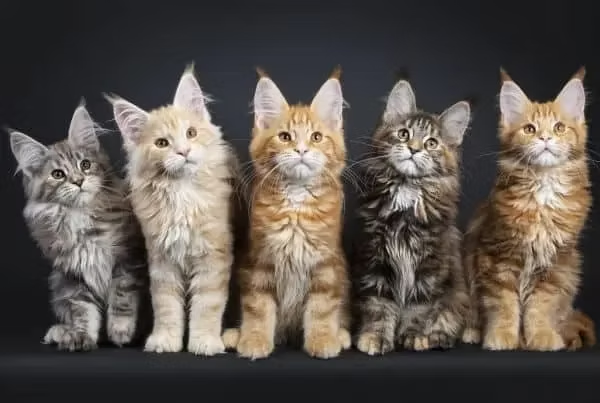
When we talk about brown Maine Coon cats, we’re not referring to a single, uniform color. Instead, it’s a broad category encompassing a magnificent range of hues, each with its own charm and genetic story. These shades can vary significantly in depth, warmth, and saturation, making each brown Maine Coon unique.
Exploring these distinct brown shades reveals the subtle yet profound differences that set them apart. From the familiar classic brown to the more exotic chocolate and cinnamon, each variant adds to the breed’s rich visual diversity. Let’s delve into the specific brown tones you might encounter.
Classic Brown: A Timeless Hue
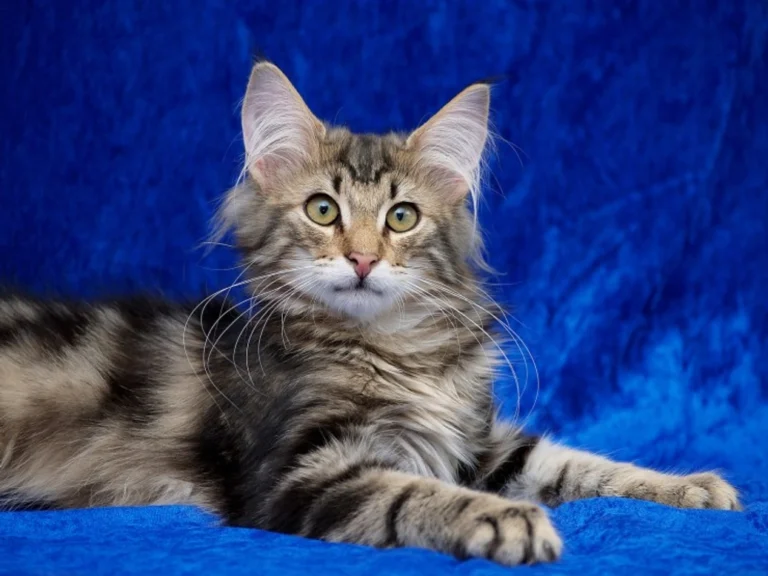
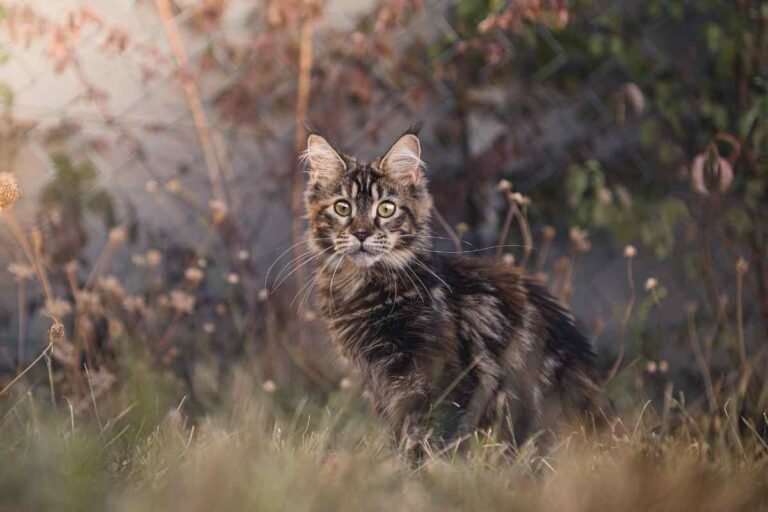
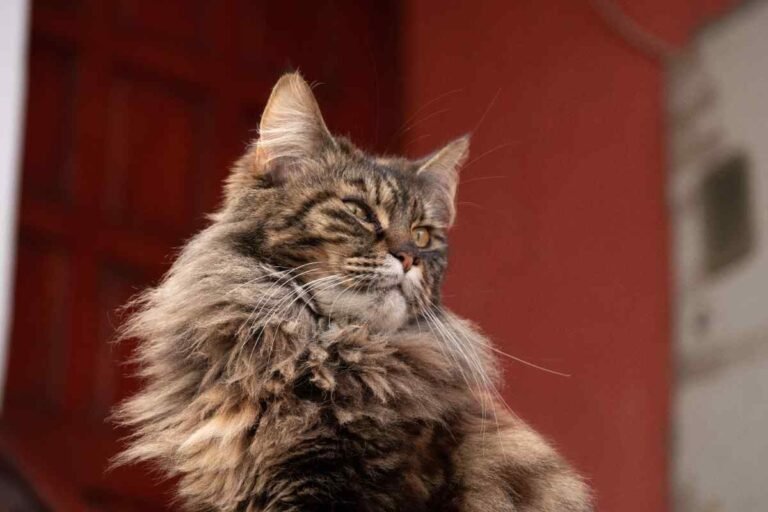
The classic brown, often simply referred to as “brown tabby,” is perhaps the most recognized brown shade in Maine Coons. This color typically features a warm, medium brown base with darker brown or black tabby markings. It evokes an earthy, natural aesthetic that is both robust and comforting.
This timeless hue is a staple of the breed and is widely admired for its deep, rich appearance. The classic brown is a testament to the Maine Coon’s natural beauty, often appearing in photographs and breed standards. Its versatility allows it to pair beautifully with various tabby patterns.
Chocolate Maine Coons: Deep and Luxurious
Chocolate Maine Coons are a truly stunning and somewhat rarer variant. This shade is a rich, deep brown, often compared to dark chocolate. It lacks the reddish undertones of some other browns and appears as a solid, intense color. The chocolate gene (b) is recessive, meaning both parents must carry it for kittens to express this color.
The luxurious depth of a chocolate Maine Coon’s coat makes it particularly striking. It conveys an air of elegance and rarity, often sought after by enthusiasts. Their eyes, typically gold or copper, provide a beautiful contrast to their dark fur.
Cinnamon Maine Coons: Warm and Distinctive
Cinnamon is another exquisite and even rarer brown shade, genetically related to chocolate. It’s a lighter, warmer brown with reddish undertones, reminiscent of the spice it’s named after. The cinnamon gene (bl) is recessive to both black and chocolate.
Cinnamon Maine Coons possess a distinctive warmth that sets them apart from classic brown or chocolate. Their coats often shimmer with a reddish-gold glow, especially in natural light. This unique hue adds another layer of diversity to the brown spectrum.
Fawn Maine Coons: The Diluted Elegance
Fawn is a diluted version of cinnamon, resulting from the presence of the dilution gene (d) acting on a cinnamon base. This creates a soft, pale tan or beige color, often described as a diluted cinnamon or a warm, light brown. Fawn coats have a delicate and refined appearance.
The elegance of a fawn Maine Coon lies in its subtle, muted tones. It’s a less common color, adding to its appeal for those seeking something truly unique. The dilution gene transforms the vibrant cinnamon into a gentle, sophisticated hue.
Lilac/Lavender (Often Mistaken for Brown Variants)
While not technically a “brown” shade, lilac (also known as lavender) is often discussed in conjunction with brown because it’s a dilute chocolate. Genetically, lilac cats carry both the chocolate (b) and dilution (d) genes. This combination results in a beautiful, warm grey with pinkish or purplish undertones.
It’s important to clarify that lilac is distinct from brown, though its genetic origins are linked to the chocolate gene. Understanding this distinction helps in accurately identifying and appreciating the full range of Maine Coon colors. The subtle purple cast of lilac is truly unique.
Unraveling the Intricate Patterns of Brown Maine Coons
Beyond the base shade of brown, the patterns woven into a Maine Coon’s coat add another layer of complexity and beauty. These patterns, primarily variations of tabby, transform a solid color into a dynamic and visually engaging display. The tabby gene is dominant and is present in almost all Maine Coons, even if it’s masked by other genes.
The intricate markings create depth and character, making each patterned brown Maine Coon truly distinctive. From swirling blotches to classic stripes and delicate spots, these patterns tell a story on the feline’s fur. Let’s explore the most common and striking patterns found in brown Maine Coons.
Brown Tabby Maine Coons: The Quintessential Look
The brown tabby is arguably the most iconic Maine Coon pattern. It features a brown base coat adorned with darker tabby markings. There are several distinct types of tabby patterns, each with its own unique characteristics. These patterns are genetically determined and consistent across different breeds.
The classic brown tabby look is what many people envision when they think of a Maine Coon. Its wild, natural appearance resonates with the breed’s origins. The variations within the brown tabby family offer a wide range of aesthetic possibilities.
Classic (Blotched) Tabby
The classic tabby, also known as blotched or marbled tabby, features broad, swirling patterns on the sides, often resembling a bull’s-eye or butterfly wings. This pattern is particularly striking on a brown base, creating a dramatic contrast. The markings are typically rich and well-defined.
This pattern is a favorite among many Maine Coon enthusiasts due to its intricate and artistic appearance. The swirls and blotches add a sense of movement and depth to the coat, making it visually captivating.
Mackerel Tabby
Mackerel tabby is characterized by narrow, parallel stripes running down the sides of the cat, resembling a fish skeleton. These stripes are evenly spaced and typically unbroken. On a brown Maine Coon, these stripes are usually darker brown or black against a lighter brown background.
The mackerel pattern gives a more “tiger-striped” appearance, lending a wilder look to the gentle giant. It’s a common and beautiful pattern that highlights the cat’s muscular build and long body.
Spotted Tabby
The spotted tabby pattern consists of distinct, individual spots distributed across the body. These spots can vary in size and shape, sometimes appearing as broken mackerel stripes. A brown spotted tabby Maine Coon has darker brown or black spots against a brown background.
This pattern is less common than classic or mackerel but equally charming. The spots give the cat a unique, exotic look, reminiscent of wild big cats.
Ticked Tabby
Ticked tabby cats, like the Abyssinian, have individual hairs banded with different colors, giving the coat a shimmering, salt-and-pepper effect without distinct stripes or spots on the body. However, faint tabby markings might still be visible on the face, legs, and tail.
While full ticked tabby is rare in Maine Coons, elements of ticking can sometimes be present, influencing the overall appearance of other tabby patterns. This contributes to the complexity and richness of their brown coats.
Brown Patched Tabby (Torbie) Maine Coons: A Splash of Color
A brown patched tabby, often affectionately called a “torbie,” is a female cat that combines the brown tabby pattern with patches of red or cream. This occurs when a cat carries both the tabby gene and the sex-linked orange gene. The result is a stunning mosaic of brown tabby patterns interspersed with vibrant red or cream patches.
Torbie Maine Coons are particularly striking due to their dual coloring and intricate patterns. The patches can range from small splashes to larger, well-defined areas, creating a unique and dynamic coat. Each torbie is truly one-of-a-kind.
Solid Brown Maine Coons: A Rare and Striking Sight
While brown tabby is common, a truly solid brown Maine Coon, without any visible tabby markings, is exceptionally rare. This occurs when the non-agouti gene (a) is present in two copies, masking the underlying tabby pattern. The result is a uniformly colored brown coat, which can range from a lighter medium brown to a dark, rich chocolate.
The absence of tabby markings gives the solid brown Maine Coon a sleek, almost velvety appearance. Their rarity makes them highly sought after by collectors and enthusiasts. This striking presentation highlights the pure depth of their brown hue.
Brown Smoke Maine Coons: Enigmatic and Alluring
Brown smoke Maine Coons possess a fascinating and dynamic coat. While appearing solid brown at first glance, closer inspection or movement reveals a lighter, silvery undercoat. This effect is created by the smoke gene, which causes the base of each hair shaft to be colorless, giving a stunning contrast when the fur parts.
The enigmatic nature of a brown smoke coat adds an extra layer of allure. As the cat moves, the lighter undercoat flashes through the darker brown topcoat, creating a mesmerizing, ethereal effect. This pattern truly comes alive with motion.
Factors Influencing Brown Coat Appearance
Beyond genetics, several environmental and care-related factors can subtly influence the appearance of a brown Maine Coon’s coat. These factors don’t change the underlying genetic color but can affect its vibrancy, depth, and overall health. Understanding these influences helps owners maintain the stunning beauty of their cat’s brown fur.
From the amount of sunlight they receive to their daily grooming routine, these elements play a role in how a brown coat presents itself. Ensuring optimal conditions can help bring out the best in their natural coloring.
Sunlight and Environmental Effects
Prolonged exposure to direct sunlight can sometimes lighten or “bleach” a brown Maine Coon’s coat, especially darker shades like chocolate. The sun’s UV rays can break down the pigments in the fur, causing it to appear warmer or faded over time. This is more noticeable in cats that spend a lot of time outdoors.
Conversely, a cat kept primarily indoors may maintain a richer, more intense brown hue due to less sun exposure. Environmental factors like diet and general health also play a role in coat quality, influencing its sheen and color vibrancy.
Grooming and Coat Health
Regular grooming is crucial for maintaining the luster and depth of a brown Maine Coon’s coat. A healthy coat is a vibrant coat. Brushing helps distribute natural oils, prevents matting, and removes loose fur, allowing the true color to shine through. A well-nourished cat will also have a healthier, shinier coat.
A diet rich in essential fatty acids and high-quality protein contributes significantly to coat health. Proper nutrition ensures that the fur is strong, vibrant, and reflects its true genetic color potential. Regular veterinary check-ups also contribute to overall health, which in turn impacts coat condition. (Source: American Veterinary Medical Association)
Is a “Brown” Maine Coon Always Brown? Common Misconceptions
The world of cat colors can be surprisingly complex, and what appears brown to one person might be interpreted differently by another or even be a different color genetically. Several misconceptions arise, particularly when distinguishing between very dark browns and blacks, or when lighting conditions play tricks on the eye. It’s important to understand these nuances to accurately identify a Maine Coon’s true coat color.
Dispelling these common myths helps enthusiasts and owners alike appreciate the precise genetic classifications. What looks like brown might be a dark black tabby, and vice-versa, depending on various factors.
The Role of Lighting
Lighting conditions significantly impact how a cat’s coat color appears. A very dark brown Maine Coon might look black in dim lighting, only to reveal its rich brown tones under bright natural light or direct sunlight. Similarly, a black smoke might show faint brown undertones in certain light.
Photography can also be misleading, as camera settings and flash can alter perceived colors. Always observe a cat’s color in varied lighting to get the most accurate assessment.
Distinguishing True Brown from Black Smoke or Red Tones
It can be challenging to differentiate a very dark brown Maine Coon from a black smoke, especially in pictures. A true black smoke will have a white or very pale undercoat visible when the fur is parted, whereas a dark brown will have a brown undercoat. The nose leather and paw pads can also offer clues: black cats typically have black pads and nose, while brown cats will have brown or brick red.
Furthermore, some very dark red or cream tabbies can sometimes appear brown, especially if the red is a deep, muted shade. However, genetic testing or a trained eye can usually distinguish these differences. For comprehensive information on cat genetics, reputable organizations like The Cat Fanciers’ Association (CFA) provide excellent resources. (Source: The Cat Fanciers’ Association)
Finding a Brown Maine Coon: What to Look For
For those captivated by the beauty of brown Maine Coon cats, finding a healthy, well-socialized kitten or adult is paramount. The journey involves more than just selecting a preferred shade or pattern; it requires careful consideration of the breeder’s reputation, the cat’s health, and its temperament. A responsible breeder prioritizes the well-being of their animals above all else.
Ensuring you work with an ethical breeder is crucial for a positive experience and a healthy companion. They can provide valuable insights into the specific brown shades and patterns they offer and explain the genetic background of their lines.
Reputable Breeders and Genetic Testing
When seeking a brown Maine Coon, always choose a reputable breeder who is registered with recognized cat associations like TICA (The International Cat Association) or CFA. These breeders adhere to strict ethical standards and often perform genetic testing on their breeding cats for common health issues prevalent in the breed, such as hypertrophic cardiomyopathy (HCM) and spinal muscular atrophy (SMA). (Source: The International Cat Association)
A good breeder will be transparent about their cats’ health history, provide proper documentation, and be willing to answer all your questions about their breeding practices and the specific brown coat genetics of their litters. They should also provide a health guarantee.
Health and Temperament Considerations
Beyond color, prioritize the overall health and temperament of any Maine Coon you consider. A healthy kitten will be active, alert, have clear eyes, and a clean coat. Ask about the parents’ temperaments, as genetics play a significant role in personality. Maine Coons are known for their gentle and friendly nature, so a kitten should exhibit these traits.
A reputable breeder will ensure their kittens are well-socialized from a young age, preparing them for life in a loving home. They should also provide vaccination records and advice on proper care, ensuring a smooth transition for your new family member.
Are solid brown Maine Coons common?
No, solid brown Maine Coons are quite rare. Most brown Maine Coons display some form of tabby pattern (classic, mackerel, spotted, or ticked). A true solid brown cat has a recessive non-agouti gene that masks any underlying tabby markings, making them less frequently seen than their patterned counterparts.
What is the difference between a chocolate and a cinnamon Maine Coon?
Chocolate is a deep, rich, dark brown color, often compared to dark chocolate, with minimal red undertones. Cinnamon, on the other hand, is a lighter, warmer brown with distinct reddish-orange undertones, reminiscent of the spice. Both are recessive genetic variations of the basic black pigment, with cinnamon being genetically even rarer than chocolate.
Can a brown Maine Coon have blue eyes?
Generally, no. Maine Coons typically have green, gold, or copper eyes. Blue eyes are usually associated with white coats, the dominant white gene, or colorpoint cats (like Himalayans or Siamese) due to a specific genetic link. A brown Maine Coon with blue eyes would be exceptionally rare and likely indicate specific genetic combinations not typical for the breed’s standard brown coloration.
How do I know if my Maine Coon is truly brown and not black tabby?
The easiest way to distinguish between a brown tabby and a black tabby is by looking at the base color and the paw pads/nose leather. A brown tabby will have a brown base coat with darker brown or black markings, and its paw pads and nose leather will typically be brown or brick red. A black tabby will have a greyish-black base coat with black markings, and its paw pads and nose leather will be black. Lighting conditions can also affect perception, so observe in natural light.
Do brown Maine Coons have any specific health issues related to their color?
No, there are no known specific health issues directly linked to brown coat color or patterns in Maine Coons. Unlike some other breeds where certain colors (e.g., solid white with blue eyes) can be associated with deafness, brown coloration is not known to carry any inherent health risks. The general health concerns for Maine Coons, such as HCM or hip dysplasia, are unrelated to their coat color.
Conclusion
The world of brown Maine Coon cats is a testament to the stunning diversity and genetic richness within this beloved breed. From the classic elegance of a brown tabby to the luxurious depth of chocolate and the subtle warmth of cinnamon, each shade and pattern tells a unique story. Understanding the genetic underpinnings helps us appreciate the complexity and beauty of these magnificent felines. Their varied brown coats, whether solid, patched, or intricately patterned, contribute significantly to their iconic charm and appeal.
Whether you are admiring their majestic presence or considering bringing one into your home, the allure of brown Maine Coon cats is undeniable. Their distinct shades and patterns are more than just aesthetic features; they are a part of what makes each Maine Coon a truly individual and cherished companion. Embracing the full spectrum of brown Maine Coons allows us to celebrate the endless beauty of these gentle giants.