Buying a Maine Coon? Read This First
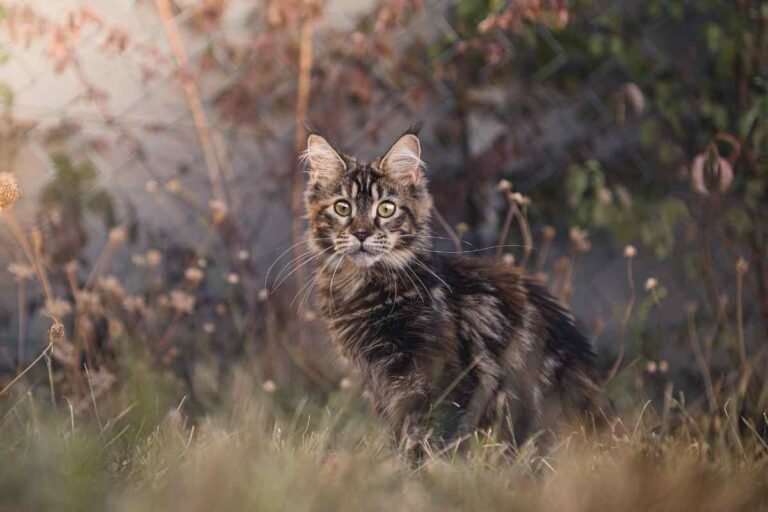
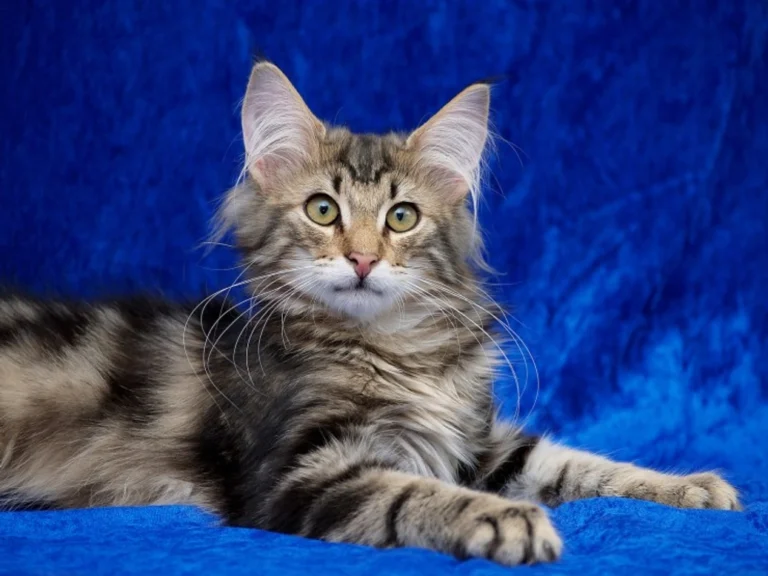
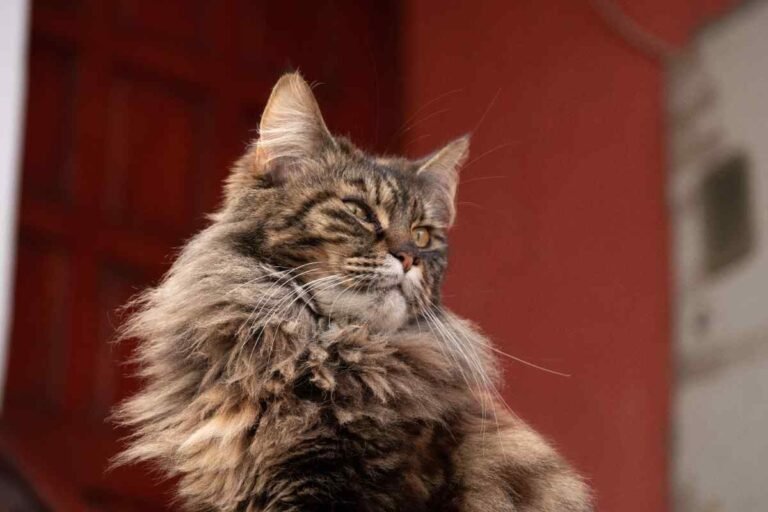
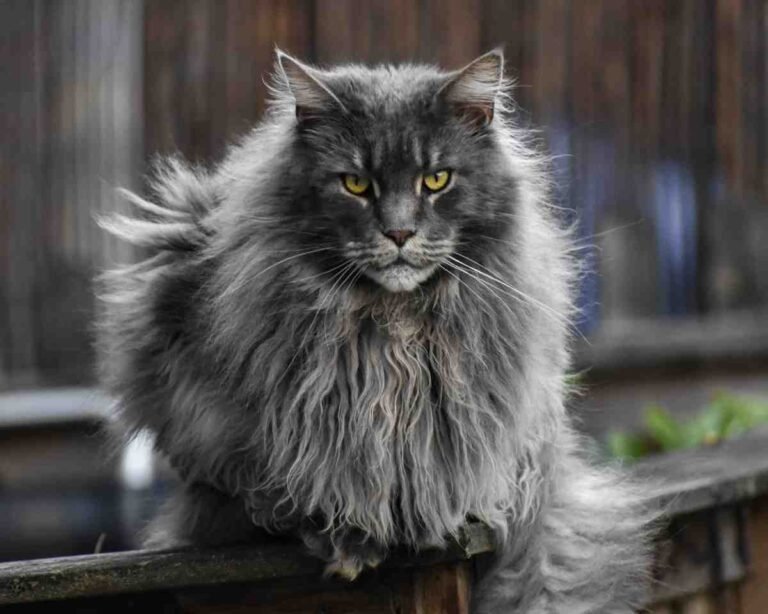
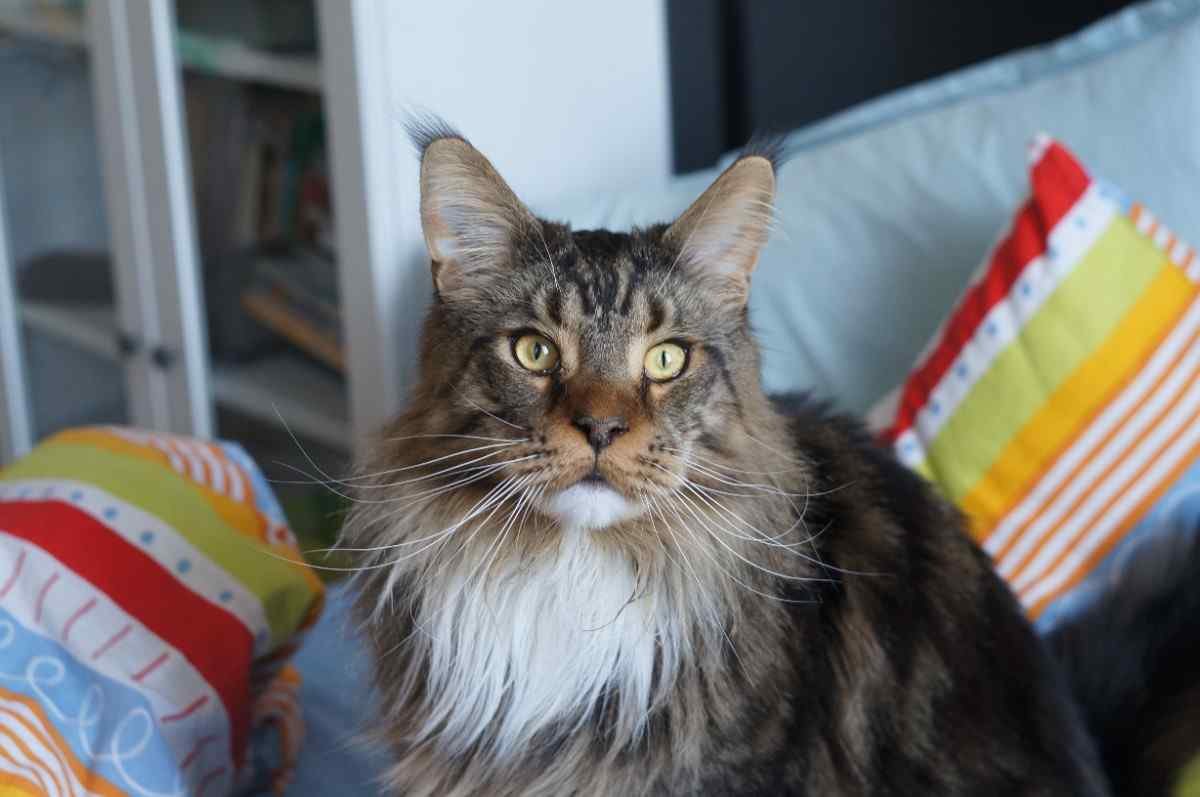
Are you captivated by the majestic Maine Coon, with its tufted ears, bushy tail, and impressive size? Many aspiring cat parents dream of welcoming one of these “gentle giants” into their home. However, before you embark on the exciting journey of buying a Maine Coon cat: what to know first involves significant preparation and understanding. These magnificent felines are more than just beautiful; they come with unique needs, health considerations, and a substantial commitment that every potential owner should fully grasp.
Understanding these aspects upfront ensures a harmonious life for both you and your new furry family member. This guide will walk you through everything from temperament and health to financial commitments and finding the right breeder, setting you up for success.
Understanding the Maine Coon Temperament and Personality
Maine Coons are renowned for their friendly, outgoing, and intelligent personalities. They are often described as “dog-like” due to their loyalty and playful nature, forming strong bonds with their human companions. Consequently, they thrive on interaction and can become quite attached to their families.
They possess a curious and adventurous spirit, often following their owners from room to room. Furthermore, their intelligence makes them highly trainable, capable of learning tricks and walking on a leash.
The “Dog-Like” Cat: Playfulness and Loyalty
Unlike some more aloof cat breeds, Maine Coons genuinely enjoy being part of the family action. They love interactive play, such as chasing toys or playing fetch, and their playful demeanor often extends well into adulthood. As a result, they require mental stimulation to prevent boredom.
Their loyalty is truly heartwarming, often choosing one or two family members as their primary “person.” However, they are generally affectionate with everyone in the household, including children and other pets, making them excellent family additions.
Social Needs and Communication
Maine Coons are highly social creatures who dislike being left alone for extended periods. They communicate through a variety of chirps, trills, and soft meows, rather than loud vocalizations. Therefore, understanding their unique language is key to a strong bond.
They will often “talk” to you, expressing their desires or simply engaging in conversation. This constant communication is one of the many charming traits that endear them to their owners.
Grooming and Health Considerations
The Maine Coon’s striking appearance comes with specific grooming and health needs that prospective owners must be prepared for. Their long, shaggy, water-resistant coat requires regular attention to prevent matting and maintain its beauty. Moreover, like all purebred cats, they are predisposed to certain genetic health conditions.
Responsible ownership includes understanding these factors to ensure a long and healthy life for your cat. Investing time in grooming and preventative care is crucial.
Daily Grooming Routine for a Lush Coat
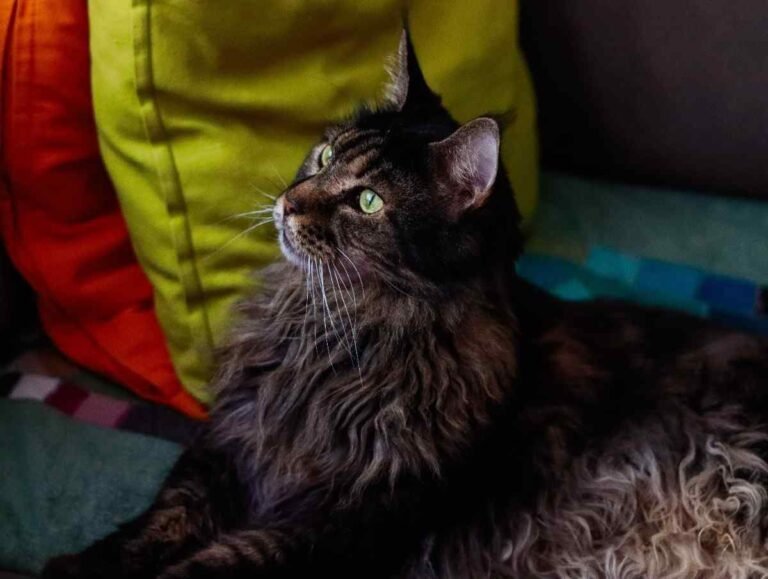
Despite their long fur, Maine Coons have a somewhat self-managing coat that is less prone to tangles than some other long-haired breeds. Nevertheless, regular brushing, at least two to three times a week, is essential. This routine helps remove loose hair, prevent mats, and distribute natural skin oils.
During shedding season, daily brushing may be necessary to manage the increased hair fall. Furthermore, occasional baths may be required, though many Maine Coons surprisingly tolerate water well.
Common Health Concerns in Maine Coons
Maine Coons are generally robust cats, but they do have a genetic predisposition to certain health issues. Hypertrophic Cardiomyopathy (HCM), a form of heart disease, is a significant concern. Hip dysplasia, more commonly associated with dogs, can also affect this large breed, leading to arthritis.
Spinal Muscular Atrophy (SMA) is another genetic condition that causes muscle weakness. Reputable breeders screen their breeding cats for these conditions through genetic testing and OFA certifications for hips. Learning more about these conditions can help you make informed decisions about breeder selection. A good resource for understanding feline health is the Cornell Feline Health Center.
The Financial Commitment: More Than Just the Purchase Price
Buying a Maine Coon cat: what to know first financially extends far beyond the initial cost of the kitten. These magnificent animals require a significant ongoing investment throughout their lifespan. Potential owners must budget for everything from initial supplies to long-term veterinary care, high-quality food, and potentially pet insurance.
Neglecting these financial realities can lead to stress for both the owner and the cat. A clear understanding of the full financial picture is therefore essential.
Initial Setup Costs for Your New Kitten
The purchase price of a purebred Maine Coon kitten from a reputable breeder typically ranges from $1,000 to $2,500, sometimes more depending on lineage and location. Beyond this, you’ll need essential supplies before bringing your kitten home. This includes a carrier, food and water bowls, a litter box, high-quality kitten food, scratching posts, and a variety of toys.
Initial veterinary visits for vaccinations, deworming, and a general health check-up will also add to these early expenses. Consequently, budgeting several hundred dollars for the initial setup is a realistic expectation.
Long-Term Expenses and Ongoing Care
The ongoing costs of owning a Maine Coon can average $500 to $1,000 per year, if not more. This includes premium cat food tailored for large breeds, regular veterinary check-ups, and annual vaccinations. Furthermore, flea and tick prevention, grooming supplies, and replacement toys are recurring expenses.
Consider the cost of pet insurance, which can help mitigate the financial impact of unexpected illnesses or accidents. Given their long lifespan of 12-15 years or more, the total financial commitment over a Maine Coon’s life is substantial.
Finding a Reputable Maine Coon Breeder
Perhaps the most critical step in **buying a Maine Coon cat: what to know first** is how to identify and choose a reputable breeder. A responsible breeder prioritizes the health, temperament, and well-being of their cats above all else. Conversely, avoiding backyard breeders and pet stores is paramount to ensuring you get a healthy, well-socialized kitten.
The quality of your kitten’s start in life directly impacts their future health and behavior. Therefore, thorough research and careful selection are non-negotiable.
What to Look for in a Reputable Breeder
A reputable breeder will be transparent, knowledgeable, and genuinely passionate about the Maine Coon breed. They should be registered with recognized cat associations such as The Cat Fanciers’ Association (CFA) or The International Cat Association (TICA). Crucially, they will provide health clearances for the parents, including genetic testing for HCM, SMA, and hip dysplasia.
They will welcome visits to their cattery, allowing you to see the living conditions and interact with the parent cats. Moreover, expect a comprehensive contract, a health guarantee, and a commitment to take the cat back if things don’t work out. For guidance on finding a responsible breeder, organizations like the CFA offer valuable resources.
Red Flags to Watch Out For
Several warning signs indicate a breeder you should avoid. A breeder who cannot provide health records or seems unwilling to discuss genetic testing is a major red flag. Similarly, if they refuse to let you visit their cattery or only offer to meet in a public place, exercise extreme caution.
Avoid breeders who have multiple breeds, sell kittens too young (before 12-16 weeks), or seem more interested in making a quick sale than asking you questions about your home environment. Furthermore, steer clear of anyone selling “rare” colors at inflated prices, as this is often a marketing gimmick.
Preparing Your Home for a Maine Coon
Bringing a Maine Coon into your home requires some thoughtful preparation to ensure a smooth transition and a safe, stimulating environment. Their large size and active nature mean they need more space and enrichment than smaller breeds. Consequently, cat-proofing your home and providing appropriate resources are essential.
A well-prepared home contributes significantly to your new cat’s comfort and happiness. This foresight helps prevent potential problems down the line.
Essential Supplies for Your New Companion
Before your Maine Coon arrives, gather all necessary supplies. This includes a large, sturdy litter box (or two), high-quality food appropriate for their age, and ceramic or stainless steel food and water bowls. Furthermore, ensure you have several scratching posts or trees, preferably tall enough for them to stretch fully.
Provide a variety of toys that encourage both independent and interactive play. A comfortable cat bed, a secure carrier, and grooming tools like a slicker brush and comb are also vital.
Creating a Safe and Stimulating Environment
Maine Coons thrive in environments where they can explore and play. Provide vertical space, such as cat trees or shelves, allowing them to climb and observe their surroundings from a height. Interactive toys, puzzle feeders, and regular play sessions will keep their intelligent minds engaged.
Ensure your home is cat-proofed by securing toxic plants, small objects they could swallow, and any loose cords. A safe and stimulating environment reduces stress and encourages positive behaviors.
The Lifelong Commitment of Maine Coon Ownership
Owning a Maine Coon is a rewarding experience, but it represents a significant lifelong commitment. These cats can live for 12-15 years or even longer, meaning you are committing to their care for over a decade. This includes providing consistent love, attention, and proper care throughout their entire life stages.
Understanding the depth of this commitment before bringing a kitten home is crucial for both your well-being and theirs. It’s a journey that demands patience, resources, and unwavering dedication.
Integration into Family Life
Maine Coons generally integrate well into family life, becoming cherished members of the household. Their adaptable nature allows them to get along with children and other pets, provided proper introductions are made. Furthermore, they enjoy being involved in daily activities, often observing or participating from a comfortable perch.
Regular interaction, playtime, and consistent routines will help them feel secure and loved within their new family. They truly become part of the family fabric.
Ongoing Care and Attention
Beyond the initial costs and health screenings, ongoing care is paramount. This includes a consistent diet of high-quality food, fresh water, and regular veterinary check-ups. Maintaining their grooming schedule, providing ample playtime, and ensuring their environment remains stimulating are also continuous responsibilities.
As they age, their needs may change, requiring adjustments to their diet, activity levels, or veterinary care. Being prepared for these evolving needs is part of responsible Maine Coon ownership.
Frequently Asked Questions About Buying a Maine Coon Cat
How much does a Maine Coon typically cost?
The initial purchase price for a purebred Maine Coon kitten from a reputable breeder usually ranges from $1,000 to $2,500. This cost reflects the breeder’s investment in health testing, quality care for the parents and kittens, and registration fees. Remember, this is just the starting point; ongoing costs for food, vet care, and supplies will add up over their lifespan.
Are Maine Coons good with children and other pets?
Yes, Maine Coons are generally known for their gentle and patient temperament, making them excellent companions for families with children and other pets. Their “gentle giant” nature means they are often tolerant and playful. Proper introductions and supervision are always recommended to ensure a harmonious environment for everyone.
How often do Maine Coons need to be groomed?
Maine Coons require regular grooming to maintain their long, shaggy coat. Brushing two to three times a week is typically sufficient to prevent mats and remove loose hair. During seasonal shedding periods, daily brushing may be necessary. Occasional baths can also help keep their coat in good condition, and many Maine Coons tolerate water surprisingly well.
What is the average lifespan of a Maine Coon?
With proper care, nutrition, and regular veterinary attention, Maine Coons typically live for 12 to 15 years. Some can even live into their late teens. Factors such as genetics, diet, and overall health management play a significant role in their longevity, making responsible ownership crucial for a long, healthy life.
Conclusion: The Rewarding Journey of Maine Coon Ownership
Bringing a Maine Coon into your life is a significant decision that promises immense joy and companionship. The journey of **buying a Maine Coon cat: what to know first** involves careful consideration of their unique personality, health needs, and the substantial financial and emotional commitment required. By understanding these aspects thoroughly, you can ensure you are fully prepared to offer a loving, stable, and stimulating environment for your new feline friend.
Choosing a reputable breeder, preparing your home, and committing to their lifelong care are fundamental steps. Ultimately, the rewards of sharing your life with one of these magnificent, affectionate, and intelligent cats far outweigh the preparations. They truly become cherished members of the family, enriching your home with their playful antics and unwavering loyalty for many years to come.