Are Maine Coon Cats Hypoallergenic? Facts Explained
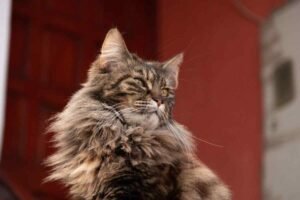
The majestic Maine Coon, with its striking appearance and gentle disposition, often captures the hearts of many prospective cat owners. However, for those who suffer from allergies, a crucial question arises: Are Maine Coon cats hypoallergenic? Facts about feline allergens reveal a complex reality, and unfortunately, the straightforward answer is no, Maine Coons are not truly hypoallergenic.
Despite their long, luxurious coats, these beloved felines produce the same allergy-triggering proteins as other cat breeds. This misconception stems from a common misunderstanding about what causes cat allergies in the first place. It’s not primarily the fur itself, but microscopic proteins found in a cat’s saliva, urine, and dander that provoke allergic reactions.
Understanding Cat Allergies and the Reality of “Hypoallergenic” Breeds
Cat allergies are a widespread issue, affecting millions worldwide. The primary culprit behind these reactions is a protein called Fel d 1, which cats produce in their salivary glands, sebaceous glands (in the skin), and urine. When a cat grooms itself, this protein-laden saliva dries on their fur, turning into airborne dander that easily spreads throughout the home.
Many cat breeds are often marketed or perceived as “hypoallergenic,” suggesting they are safe for allergy sufferers. However, this term is misleading because no cat breed is 100% allergen-free. Some breeds simply produce lower levels of Fel d 1 protein or shed less dander, which can lead to fewer allergic symptoms for some individuals.
The Role of Fel d 1 Protein in Allergic Reactions
The Fel d 1 protein is incredibly potent; even minuscule amounts can trigger a severe allergic response in sensitive individuals. This protein is tiny and sticky, allowing it to adhere to surfaces, clothing, and even remain airborne for extended periods. Consequently, merely avoiding direct contact with a cat is often insufficient to prevent a reaction.
Individual cats, even within the same breed, can produce varying levels of Fel d 1. For instance, some studies suggest that male cats, especially unneutered ones, tend to produce more Fel d 1 than females or neutered males. This variability further complicates the idea of a universally “hypoallergenic” cat.
Why Shedding Isn’t the Only Factor
A common myth is that cats with less fur or those that shed less are hypoallergenic. While shedding does distribute dander and dried saliva more widely, the amount of fur itself isn’t the direct cause of allergies. A hairless cat can still trigger allergies because it produces Fel d 1 protein, which is present on its skin and in its saliva.
Therefore, focusing solely on a cat’s shedding habits when considering allergies can be misleading. It’s the presence of the Fel d 1 protein, regardless of coat length or shedding volume, that dictates the potential for an allergic reaction. The Asthma and Allergy Foundation of America (AAFA) emphasizes that while some breeds may produce less dander, no cat is truly hypoallergenic.
Are Maine Coon Cats Hypoallergenic? Decoding the Reality
Given their magnificent, dense double coats, many people mistakenly believe Maine Coons would be a nightmare for allergy sufferers. The truth is, their long fur is indeed a magnet for allergens, but not because the fur itself is allergenic. It collects and distributes the Fel d 1 protein from their saliva and skin just like any other cat’s coat.
Maine Coons, like all other domestic cat breeds, produce Fel d 1 protein. There is no scientific evidence to suggest that they produce significantly less of this protein compared to other non-hypoallergenic breeds. Therefore, if you are allergic to cats, you are likely to be allergic to a Maine Coon.
Maine Coon Coat and Allergen Distribution
Maine Coons possess a thick, water-resistant double coat that requires regular grooming. While they are not excessive shedder year-round, they do have seasonal “blows” where they shed more heavily. During these periods, the amount of dander and allergen-laden fur distributed in the home can increase significantly.
The sheer volume of their fur means that when they groom themselves, they deposit a substantial amount of saliva containing Fel d 1 onto their coat. This then dries into dander, which can easily become airborne or settle on furniture, carpets, and clothing, making it challenging for allergy sufferers.
Managing Cat Allergies While Living with a Maine Coon
Even though Maine Coons aren’t hypoallergenic, many allergy sufferers successfully live with cats by implementing effective management strategies. These methods focus on reducing allergen exposure and mitigating allergic reactions.
Also Read: Common Maine Coon Health Problems Every Owner Should Know
It requires a consistent and multi-faceted approach, combining environmental controls, meticulous grooming, and sometimes medical interventions. The goal is to minimize the presence of Fel d 1 protein in your living space and on your person.
Regular Grooming and Bathing Routines
Consistent grooming is paramount for reducing allergen levels on your Maine Coon. Brushing your cat daily, preferably by a non-allergic family member or outdoors, can remove loose fur and dander before it spreads throughout your home. Use a good quality brush designed for long-haired cats.
Furthermore, regular bathing can significantly reduce the amount of Fel d 1 protein on your cat’s fur. Aim for a bath every 2-4 weeks using a cat-specific shampoo. This practice washes away dried saliva and dander directly from the source. The Cornell Feline Health Center provides comprehensive guidance on feline grooming and skin care, which can be beneficial.
Environmental Control Strategies
Creating an allergen-reduced environment is crucial. Invest in high-efficiency particulate air (HEPA) filters for your home, especially in bedrooms and living areas. These filters can capture airborne dander and other allergens, improving air quality.
Regular and thorough cleaning is also essential. Vacuum carpets and upholstery frequently using a vacuum cleaner equipped with a HEPA filter. Wash bedding, curtains, and other fabrics regularly in hot water to remove trapped allergens. Consider designating certain areas, such as the bedroom, as “cat-free zones” to provide a sanctuary from allergens.
Read this also: Maine Coon Colors: Complete Color Chart and Guide
Personal Hygiene and Medical Solutions
For allergy sufferers, personal hygiene plays a vital role. Always wash your hands immediately after petting or handling your Maine Coon. Avoid touching your face or eyes after contact with your cat to prevent transferring allergens.
Over-the-counter antihistamines, decongestants, and nasal sprays can help manage mild to moderate allergy symptoms. For more severe or persistent allergies, consult an allergist. They may recommend prescription medications or immunotherapy (allergy shots), which can gradually desensitize your immune system to cat allergens. The National Institute of Allergy and Infectious Diseases (NIAID) offers detailed information on allergy treatments and management.
Factors Influencing Individual Allergen Levels in Cats
While no cat is truly hypoallergenic, several factors can influence the amount of Fel d 1 protein an individual cat produces and, consequently, the severity of allergic reactions in humans. Understanding these nuances can help manage expectations and strategies.
These factors are not exclusive to Maine Coons but apply to all cat breeds. Recognizing them can provide a more personalized approach to living with a feline companion, even for those with sensitivities.
Sex and Sterilization
Research suggests that intact male cats tend to produce higher levels of Fel d 1 protein compared to female cats or neutered males. Neutering a male cat can significantly reduce their allergen production, making them potentially more manageable for some allergy sufferers.
Female cats generally produce lower levels of the protein than intact males. This difference, while not making females hypoallergenic, can sometimes lead to less severe reactions in sensitive individuals. However, individual reactions can still vary greatly.
Age and Diet
Kittens generally produce fewer allergens than adult cats. This can sometimes give a false sense of security to new owners, only for allergies to flare up as the cat matures. Allergen production typically increases as a cat reaches adulthood.
A cat’s diet and overall health can also indirectly impact dander production. A healthy cat with a good diet tends to have healthier skin and coat, potentially leading to less dry, flaky dander. However, diet does not directly reduce Fel d 1 protein production.
FAQ Section
Do Maine Coons cause severe allergies compared to other breeds?
Maine Coons produce Fel d 1 protein, the primary allergen, just like most other cat breeds. There’s no scientific evidence to suggest they cause more severe allergies than average, nor less severe ones. The severity of an allergic reaction is highly individual and depends on the person’s sensitivity and the specific cat’s allergen output.
Can I become immune or less sensitive to my Maine Coon’s allergens over time?
While some people report a decrease in allergy symptoms over prolonged exposure, this is not true immunity. It’s more accurately described as desensitization, and it varies greatly among individuals. For some, symptoms might lessen, while for others, they could remain constant or even worsen. Immunotherapy (allergy shots) is a medically proven method for desensitization.
What are the best ways to reduce dander from a Maine Coon?
To reduce dander from a Maine Coon, regular grooming is key. Brush your cat daily to remove loose fur and dander, ideally by a non-allergic person or outdoors. Additionally, bathing your Maine Coon every 2-4 weeks with a cat-safe shampoo can significantly wash away allergens. Using a damp cloth to wipe down their fur daily can also help.
Are male or female Maine Coons better for allergy sufferers?
Generally, female cats and neutered male cats tend to produce lower levels of the Fel d 1 protein compared to intact male cats. Therefore, if you are an allergy sufferer considering a Maine Coon, a female or a neutered male might be a slightly better option, although individual allergen production can still vary.
Is there a test to determine a specific cat’s allergen level?
Yes, there are laboratory tests that can measure the Fel d 1 protein levels in a cat’s fur or saliva. While not widely available for pet owners, some breeders or researchers might utilize these. For potential owners, spending time with a specific cat you are considering adopting is often the most practical “test” to gauge your personal reaction.
Conclusion
In conclusion, while the majestic Maine Coon holds immense appeal, the definitive answer to are Maine Coon cats hypoallergenic? Facts clearly indicate that they are not. No cat breed is entirely hypoallergenic, as all felines produce the Fel d 1 protein responsible for triggering allergic reactions, irrespective of their coat length or shedding habits.
However, an allergy diagnosis doesn’t necessarily mean you must forgo the companionship of a Maine Coon. By diligently implementing a combination of consistent grooming, rigorous environmental cleaning, and personal hygiene practices, many individuals with cat allergies can successfully share their homes with these magnificent creatures. Consulting with an allergist for personalized medical advice and treatment options can further enhance your ability to manage symptoms effectively. Ultimately, responsible pet ownership and proactive allergy management can pave the way for a harmonious life with a beloved Maine Coon.