Buying a Maine Coon: The Complete Guide
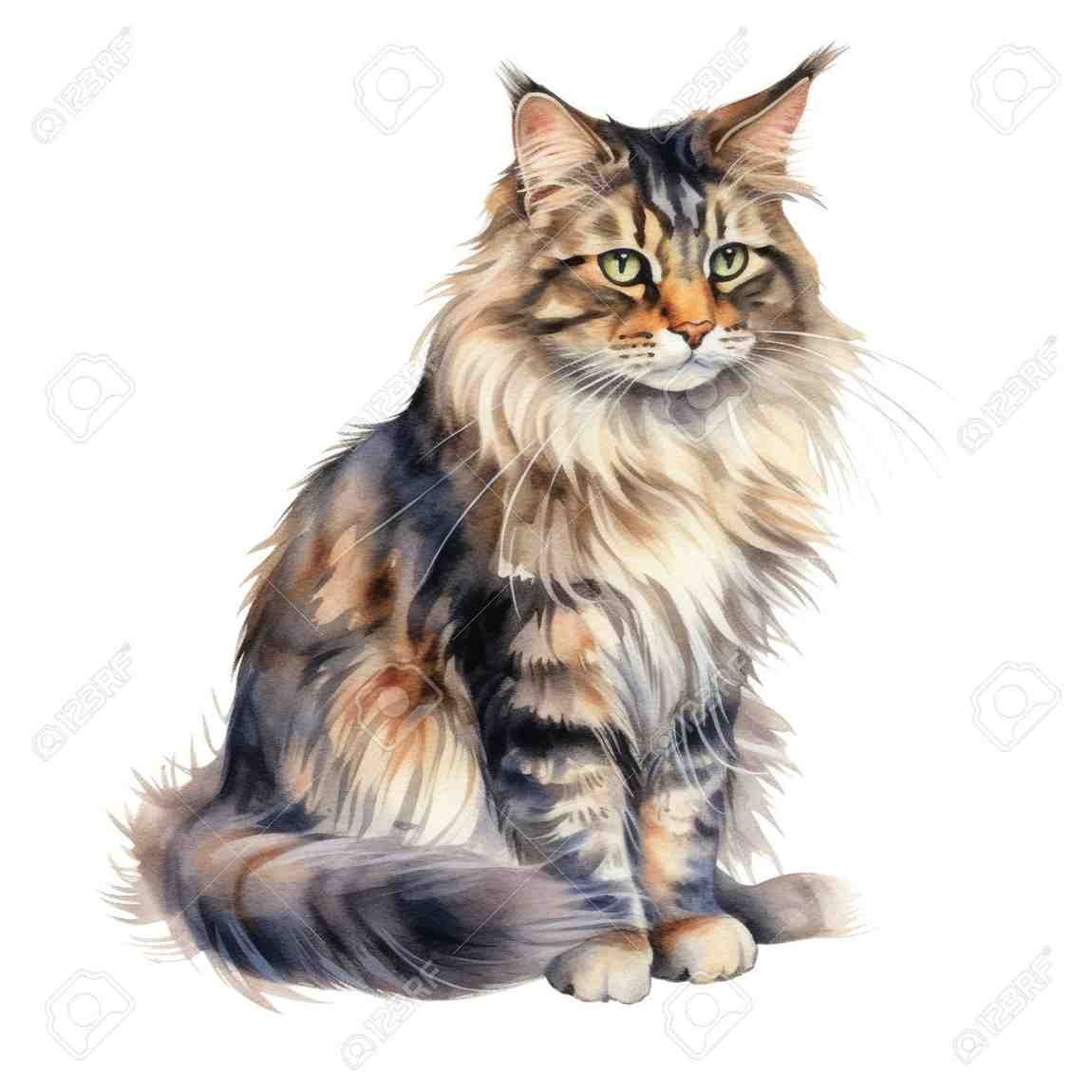
The photo is what sells most people. A huge cat with ear tufts, a lion like ruff and a tail like a feather duster looks like something out of a storybook. I fell for that photo too, long before I understood what living with the cat behind it actually involves.
I am Umar, and I write as an owner and enthusiast who lives with this breed day to day. I am not a breeder and I am not a vet, so this guide is the honest buyer side of the story, the decisions in order and the mistakes worth skipping.
Buying a Maine Coon is not one decision. It is a chain of smaller ones, from whether the breed fits your life at all, to which source you trust, to how you handle the first strange weeks at home. Get the order right and the rest gets much easier.
Start With Fit, Not Photos
Before you look at a single kitten listing, sit with the adult cat you are actually signing up for. A male can outweigh a small dog, takes up real space on a sofa, and keeps growing for three to five years. Nothing about that is a flaw, but it has to fit the home you have now.
Time matters as much as space. Maine Coons are social cats who follow people around, chirp at closed doors and expect to be part of the household routine. If your home is empty for very long stretches every day, plan for company, enrichment and play, or be honest that this may not be your breed.
Grooming and mess belong in the fit test too. That glorious coat needs combing a few times a week, and a cat this size sheds in proportion to its size. Add bigger litter boxes, sturdier furniture and higher food bills, and you have the real daily picture.
None of this put me off, and it should not put you off either if it sounds like a life you want. It should simply come before the deposit, not after it. A cat who lives well into the teens deserves a decision made with open eyes.
Kitten, Adult, Male or Female?
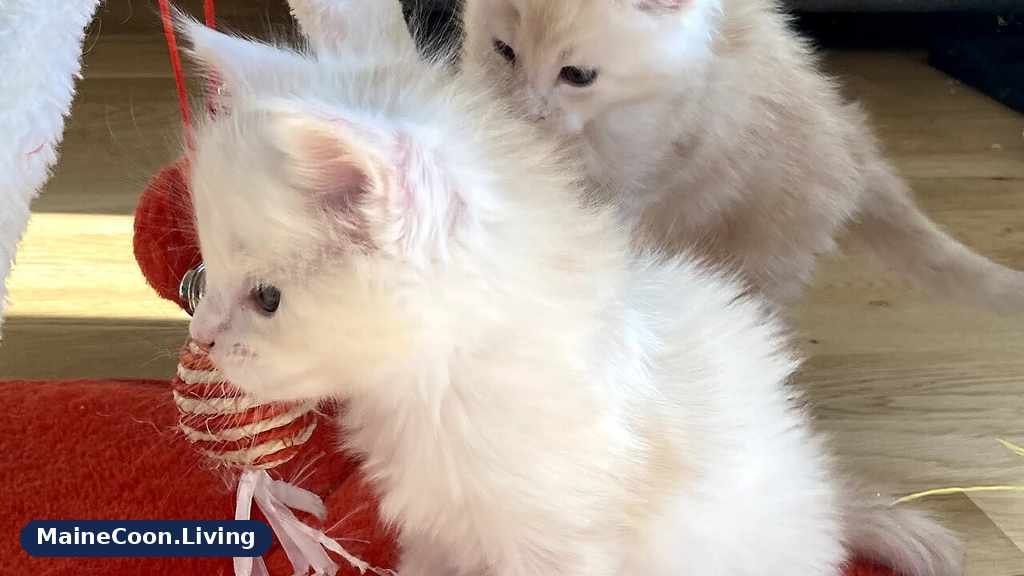
Most buyers picture a kitten, and kittens are wonderful, chaotic and hard work in equal measure. An adult cat from a rescue or a retired breeding cat from a breeder is a calmer route, with a known size and a settled personality. Neither choice is more worthy than the other, they are just different starting points.
The male or female question comes up in almost every message I get. Males usually finish larger and often stay goofy and kittenish longer, while females tend to be a little smaller and sometimes a touch more self contained. My full comparison of male vs female Maine Coons walks through size, temperament and neutering in detail.
My honest advice is to rank temperament above sex and colour. The confident kitten who walks toward you, or the adult cat who settles near you without fuss, will shape your next fifteen years far more than a shade of tabby. Looks fade into familiarity within a month, character is what you live with.
Breeder or Rescue?
A responsible breeder is the most common route to a Maine Coon kitten, and for good reason. You get a known pedigree, parents who have been health tested, and a kitten raised underfoot in a home during the weeks that shape its confidence. You also usually join a waiting list and pay a price that reflects all of that work.
Rescue is the other honest route, and it deserves more attention than it gets. Breed specific rescues and general shelters do take in Maine Coons and Maine Coon mixes, often adults whose owners could no longer keep them. The history may be patchy and paperwork thin, but the cat in front of you is exactly who he appears to be.
What I steer people away from is the murky middle. Pet shops, online adverts with no home behind them, and sellers who ship a kitten like a parcel offer neither the testing of a good breeder nor the honesty of a rescue. If you cannot trace where a kitten was raised and who raised it, walk away.
The breed standards and breeder referral lists kept by TICA, The International Cat Association, are a useful starting point for finding breeders who work inside a recognised framework. A listing is not a guarantee of quality, but it is a better first step than a random advert. From there, your own vetting does the real work.
Vetting a Breeder, Briefly
Good breeders expect questions, and the best ones ask plenty back. They health test their breeding cats, raise kittens in the home, send them out at around twelve to fourteen weeks, and put the whole arrangement in a written contract. They also stay reachable after the sale, because they care where their kittens land.
Health testing is the point I would never compromise on. Ask to see results for the heart condition hypertrophic cardiomyopathy, and ask what the breeder does about hip health in such a large breed. The Cornell Feline Health Center is where I send readers for clear background, though your own vet can explain testing in plain terms too.
Keep this section short in your head, because I wrote the long version elsewhere. My guide on how to find reputable Maine Coon breeders covers the full question list, the visit, and the contract checks step by step. Read that before you talk money with anyone.
One rule sits above all the detail: visit before you pay any deposit. See the mother, see where the kittens sleep and play, and meet the person who raised them. A video call is an acceptable second best at distance, but a seller who refuses any look behind the curtain has answered your most important question.
What It Really Costs
Price is where most buyers want a single number, and there is not one. Pet kittens from responsible breeders commonly fall between 1,500 to 3,000 dollars, with region, pedigree and breeder reputation moving that figure up or down. Anyone quoting you far below that range should make you more cautious, not more excited.
The purchase price is only the entry ticket. The first year adds vaccinations, neutering, microchipping, a carrier, large litter boxes, a tree that can hold an adult cat, and a lot of food for a fast growing kitten. Ongoing costs then settle into food, litter, routine vet care, grooming basics and insurance if you choose it.
I keep the detailed maths in one place so this guide stays readable. My breakdown of the Maine Coon price covers purchase ranges, first year costs and the yearly running costs owners actually report. Run those numbers against your own budget before you fall for a specific kitten.
A word on bargains, because they cause more heartbreak than high prices do. A very cheap kitten usually means skipped health testing, poor early care or a scam with no kitten behind it at all. Saving a few hundred dollars at purchase can cost far more at the vet, and sometimes costs the cat much more than money.
Watch Before You Commit
Sometimes an experienced keeper saying the hard parts out loud lands better than any checklist. The video below runs through the reasons people regret rushing into this breed, from true size and cost to spotting fake sellers. Watch it before you pay anyone anything.
Notice how little of it is about looks. Size, coat care, cost over a lifetime and seller honesty are the themes that decide whether ownership goes well. If the video gives you pause, that pause is useful information, not a failure.
Paperwork That Matters
Paperwork sounds dull until the day you need it, and then it is everything. At collection you should receive a signed contract, a vet record showing vaccinations, deworming and a recent health check, and the microchip details if one has been placed. Keep copies digitally as well as on paper.
If the kitten is sold as registered, the pedigree and registration transfer should be named in the contract, even if the papers follow a few weeks later. Health test results for the parents should be copies you can keep, not documents you were shown once across a kitchen table. A breeder who tests is normally proud to hand over the proof.
Rescue paperwork looks different but matters just as much. Expect an adoption contract, whatever vet history the rescue holds, and honest notes on behaviour and known issues. Gaps in a rescue history are normal and not a deal breaker, as long as the rescue is straight with you about what is unknown.
Read the contract clauses people usually skim. Health guarantees, return provisions and neutering terms tell you how a seller behaves when something goes wrong. A seller who will take a cat back at any age, for any reason, is telling you something good about their priorities.
Getting Your Home Ready
Prepare the house before the cat arrives, not in a panic on the drive home. Start with one calm room holding a large litter box, food and water set apart from it, a bed, a scratching post and a hiding spot. That single room is base camp for the first days, and everything else can wait.
Buy for the adult, within reason. Maine Coons outgrow dainty kitten gear at speed, so choose a carrier, litter box and scratching post with the finished size in mind. Sturdy and oversized beats cute and temporary every time with this breed.
Then walk the house at cat height and fix the obvious hazards. Loose cables, toxic houseplants, open cleaning products and small objects that fit in a mouth are the usual finds. My step by step Maine Coon kitten checklist turns all of this into a room by room list you can tick off.
Food continuity is the detail new owners forget most often. Get a supply of whatever the kitten has been eating, even if you plan to change brands later, and make any switch slowly over a week or more. A sudden diet change on top of a new home is a reliable recipe for an upset stomach.
The First Weeks at Home
Expect the first forty eight hours to be quiet. Many kittens hide, eat little and watch everything from one safe corner, and that caution is healthy rather than worrying. Sit on the floor, read a book, let the kitten close the distance, and resist the urge to pass him around every visitor.
Open up the house gradually once eating, drinking and litter habits look settled in the base room. One new room at a time keeps confidence growing instead of flooding a young cat with space and noise. Keep routines boringly predictable for feeding, play and sleep, because predictability is what safety feels like to a kitten.
Book a vet visit within the first week or so, even if the kitten seems perfectly well. That visit starts your own records, confirms the vaccination plan, and gives you a professional baseline while the breeder health guarantee window is still open. Take every piece of paperwork with you and ask the questions you were too excited to ask at collection.
By the end of the first month, most kittens have claimed the house and started training their people. You will know the favourite sleeping spot, the exact chirp that means dinner, and the toy that outranks all others. That is when the size of the commitment stops feeling abstract and starts feeling worth it.
Red Flags Worth Walking Away From
A few warning signs should end a conversation on the spot. Kittens always available with no waiting list, prices far below everyone else, and pressure to pay in full before any visit are the classic three. Add photo only sales, no sign of the mother, and vague answers about health testing, and you have the full set.
Scams follow a familiar script in this breed because demand is high. Stolen photos, a too good price, a story about shipping from far away, and a request for payment that cannot be reversed should stop you cold. Reverse image searching a listing photo takes one minute and exposes a surprising number of frauds.
Walking away is hardest when you have already pictured a specific kitten as yours. I understand that pull, but a bad source does not become a good one because the kitten is cute. There will be another kitten from a source you can trust, and waiting for that one is part of buying well.
A Slower, Better Way to Buy
If this guide has a single message, it is that speed is the enemy of a good purchase. The buyers who do well research the breed first, shortlist sources second, visit third, and only then talk about deposits and dates. Every stage filters out problems while they are still cheap to avoid.
Use the linked guides as you reach each stage rather than trying to hold everything in your head at once. Price, breeder vetting, sex choice and home preparation each have their own deep dive on this site for a reason. This page is the map, and those pages are the roads.
Done properly, buying a Maine Coon feels almost uneventful. No drama, no rushed payments, no nasty surprises in the first vet visit, just a well raised kitten moving into a home that was ready for him. That quiet outcome is not luck, it is what the whole process is for.
Frequently Asked Questions
How much does it cost to buy a Maine Coon?
Most pet kittens from responsible breeders fall somewhere between 1,500 to 3,000 dollars, though prices vary a lot by region, pedigree and breeder. Show or breeding quality cats can cost more, and rescue adoption fees are usually far lower. Budget for the first year of food, vet care and gear on top of the purchase price.
Is it better to buy from a breeder or adopt from a rescue?
Neither route is automatically better, and the right choice depends on what matters most to you. A good breeder offers health testing, early socialisation and a known history, while a rescue gives an older cat a home and usually costs less. What matters most is that the source is honest, transparent and willing to answer hard questions.
At what age can a Maine Coon kitten go home?
Responsible breeders usually send kittens home at around 12 to 14 weeks old. Those extra weeks with their mother and littermates teach social skills and confidence that a kitten cannot learn as well alone. A seller who offers kittens much younger than that is cutting corners you will pay for later.
Should I get a male or a female Maine Coon?
Both sexes make affectionate, playful companions, and individual personality matters more than sex alone. Males often grow larger and can stay kittenish a little longer, while females are usually a bit smaller and sometimes a touch more independent. Choose the individual cat whose temperament fits your home, not just the label.
What paperwork should come with a Maine Coon kitten?
At minimum, expect a written contract, a vet health record with vaccinations and deworming, and proof of any health testing the breeder claims. Pedigree and registration papers should follow if the kitten was sold as registered. Keep every document in one folder from day one, because you will need them at vet visits and for insurance.


4 Comments