Maine Coon Origin: The Real History Behind America’s Native Cat
Every time my Maine Coon stretches out and somehow takes up most of a sofa, someone asks the same question. Where did a cat this size, with this much coat, actually come from? I am Umar, a Maine Coon owner and enthusiast, and the honest answer is part farm record, part sea story, and part show history.
The Maine Coon origin story needs sorting, not just telling. Some of it is documented fact with names and dates attached. Some of it is legend that Mainers have repeated for well over a century, and I will label it as legend every time it shows up.
A Working Cat First
Fact first. Long before anyone used the word breed about them, big longhaired cats were earning their keep on farms across Maine. Winter there is not a mild inconvenience, and a cat that lived in a barn had to cope with deep snow, frozen ground, and mice that raided grain stores all season.
A large body held heat better than a small one. A thick, heavy coat with a softer undercoat shed water and kept out the wind. Broad paws with fur between the toes spread the cat’s weight on snow, much like a small pair of snowshoes.
These cats were valued for work, not looks. Farmers praised the best hunters, and local fairs ran contests for the finest coon cats, with proud owners showing off animals their neighbours already knew by name. That practical start still explains the cat sleeping in my home today, built solid and in no hurry about anything.
Cats Who Arrived by Ship
Fact, at least in outline. Ships docking in New England ports carried cats as a matter of routine, because a good ratter protected cargo and food stores on long voyages. When a ship stayed in port, some of those cats stayed too, ashore for good.
Longhaired ship cats from overseas, including Angora type cats, are the most likely source of the long coat. They bred freely with the local shorthaired cats already living in coastal towns and farm country. Nobody planned the result, which is exactly what makes this a natural breed story rather than a designed one.
Generation by generation, Maine itself did the selecting. Kittens with thin coats and small frames fared badly in hard winters, while the big, shaggy ones thrived and had kittens of their own. By the middle of the 1800s, people in Maine were pointing at a distinct type of cat and calling it their own.
The Captain Coon Legend
Now for legend, clearly labelled. One of the oldest tales credits an English sea captain named Coon, said to have sailed up and down the New England coast with longhaired cats aboard his ship. The story goes that his Angora and Persian type cats came ashore at Maine ports and stayed behind in the towns where he traded.
When local people later saw longhaired kittens appearing in litters, the story says they shrugged and called them one of Coon’s cats. It is a neat explanation for half of the breed name, and it may even hold a grain of truth about ship cats in general. No record of the captain himself has ever been produced, so it stays in the legend column on this page.
The Raccoon Story Is a Myth
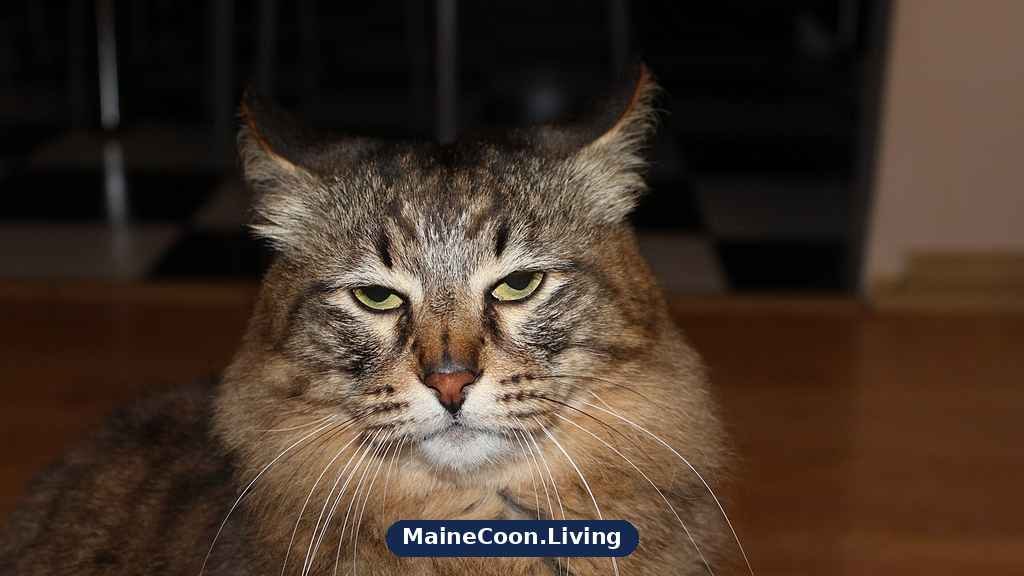
This one needs the clearest label of all: myth. For generations, some people believed that Maine Coons came from matings between domestic cats and raccoons. The brown tabby colouring, the ringed and bushy tail, and the coon half of the name all fed the idea.
It is biologically impossible. Cats and raccoons belong to different families and cannot produce offspring together, full stop. What the myth does explain is the name, or at least one theory of it, since early brown tabbies really do look a little raccoon like from behind.
I keep a fuller tour of these tales, from bobcat stories to ship cats, in my guide to Maine Coon myths and legends. Read it with the same rule I use here. If a story has no name, date, or record attached, enjoy it as a story and nothing more.
A Queen and Six Cats
Legend again, and the most romantic of the lot. The tale says that Marie Antoinette, facing the French Revolution, planned an escape to America with the help of Captain Samuel Clough. Her treasured possessions, including six longhaired cats, were loaded onto his ship and sent ahead.
The queen never made the journey and was executed in 1793. In the story, her cats did make it, landing at Wiscasset in Maine and roaming the coast. There they supposedly bred with local cats and added their elegant long hair to the Maine population.
It is a wonderful story and an unproven one. No passenger list, letter, or port record names those cats. I repeat it because every Maine Coon owner hears it sooner or later, not because the evidence carries it.
Did Vikings Bring Them?
One more theory, and this one sits between legend and open question. Norse sailors reached North America centuries before Columbus, and Viking ships are known to have carried cats for luck and for pest control. Those ship cats would have been ancestors of the Norwegian forest cat, the skogkatt of Norse tales.
The resemblance is hard to ignore. Norwegian forest cats and Maine Coons are both large, waterproof coated, tufted, and built for northern winters, and genetic work places the breeds in the same broad western group of cats. Shared looks, though, can also come from the same kind of climate shaping two separate cat populations.
So the Viking theory remains a theory. It is plausible that northern longhairs reached Maine by sea at some point, whether with Norse crews or with much later sailors. What nobody can honestly do is point to a landing, a date, and a cat, the way we can with the show records below.
Cosey and the First Big Show
Here the record firms up beautifully. Maine Coons were already being written about in the 1800s, including a black and white cat named Captain Jenks of the Horse Marines, mentioned in print in 1861. Farm cats from Maine were stepping into the earliest cat shows in Boston and New York and beating more fashionable entries.
Then came the day this breed still trades on. In May 1895, the first North American cat show was held at Madison Square Garden in New York City. A brown tabby female named Cosey, owned by Mrs. Fred Brown, was named Best Cat at that show.
Cosey took home a silver collar and a medal, and that collar is still preserved by the Cat Fanciers’ Association today. I love that the breed’s first great documented moment belongs to a working type farm cat from Maine, not to an imported aristocrat. She looked like the cats on the farms because she was one.
The video above walks through the breed’s background, its legends, and those early show records in one sitting. Watch it after this section and you will see how much of the story rests on Cosey’s generation. The cats were famous, photographed, and written about, and for a while the Maine Coon was the cat to beat.
The Years the Breed Faded
Fact, and a sad stretch of it. In the early 1900s, fashion in the cat world turned toward newer imports. Persians and Siamese arrived with exotic appeal and organised breeding behind them, and the home grown Maine cat suddenly looked plain beside them.
Entries at shows dwindled, and with them went careful breeding. The last national show win by a Maine Coon for decades came in 1911, and after that the breed mostly vanished from the show scene. The cats themselves never left Maine farms, but the wider world stopped paying attention.
By the 1950s, some writers were declaring the breed effectively extinct as a recognised type. That was an exaggeration, since unregistered Maine cats still lived all over New England. It was not an exaggeration about the risk, because a breed nobody records or breeds on purpose can drift away within a few generations.
The Comeback, Club by Club
The revival started with stubborn local loyalty. In 1953, the Central Maine Cat Club was founded to promote the breed, hold shows, and write down the first formal standard for what a Maine Coon should be. That paperwork mattered, because registries recognise standards, not affection.
Bigger organisation followed. In 1968, dedicated fanciers formed the Maine Coon Breeders and Fanciers Association, which campaigned for recognition across the registries. Their members bred to the standard, kept pedigrees, and pushed the breed’s case year after year.
The payoff came in stages. The Cat Fanciers’ Association granted championship status in 1976, putting Maine Coons back in direct competition with every other breed. Then, in 1985, Maine made the breed its official state cat, which feels exactly right for an animal the state shaped in the first place.
What TICA and CFA Say Today
Both major registries treat the breed as a natural American original. You can read the CFA Maine Coon breed page for its standard, which asks for a large, rugged, heavily coated cat and keeps Cosey and 1895 in its own account of the breed. The CFA also notes the raccoon tale in its history and calls it genetically impossible, the same verdict given above.
TICA, The International Cat Association, describes the Maine Coon as one of the oldest natural breeds in North America and as America’s native longhair. Its breed introduction repeats the main legends, then gives the view most breeders hold today. That view credits matings between existing shorthaired cats and overseas longhairs brought by seamen, or possibly by Vikings.
Modern standards have also had to handle the breed splitting into looks. My comparison of European vs American Maine Coons covers the stronger, more pronounced features bred in parts of Europe against the softer classic American type. Same breed, same origin, two ideas of what the history should look like in the ring.
The History in the Cat Today
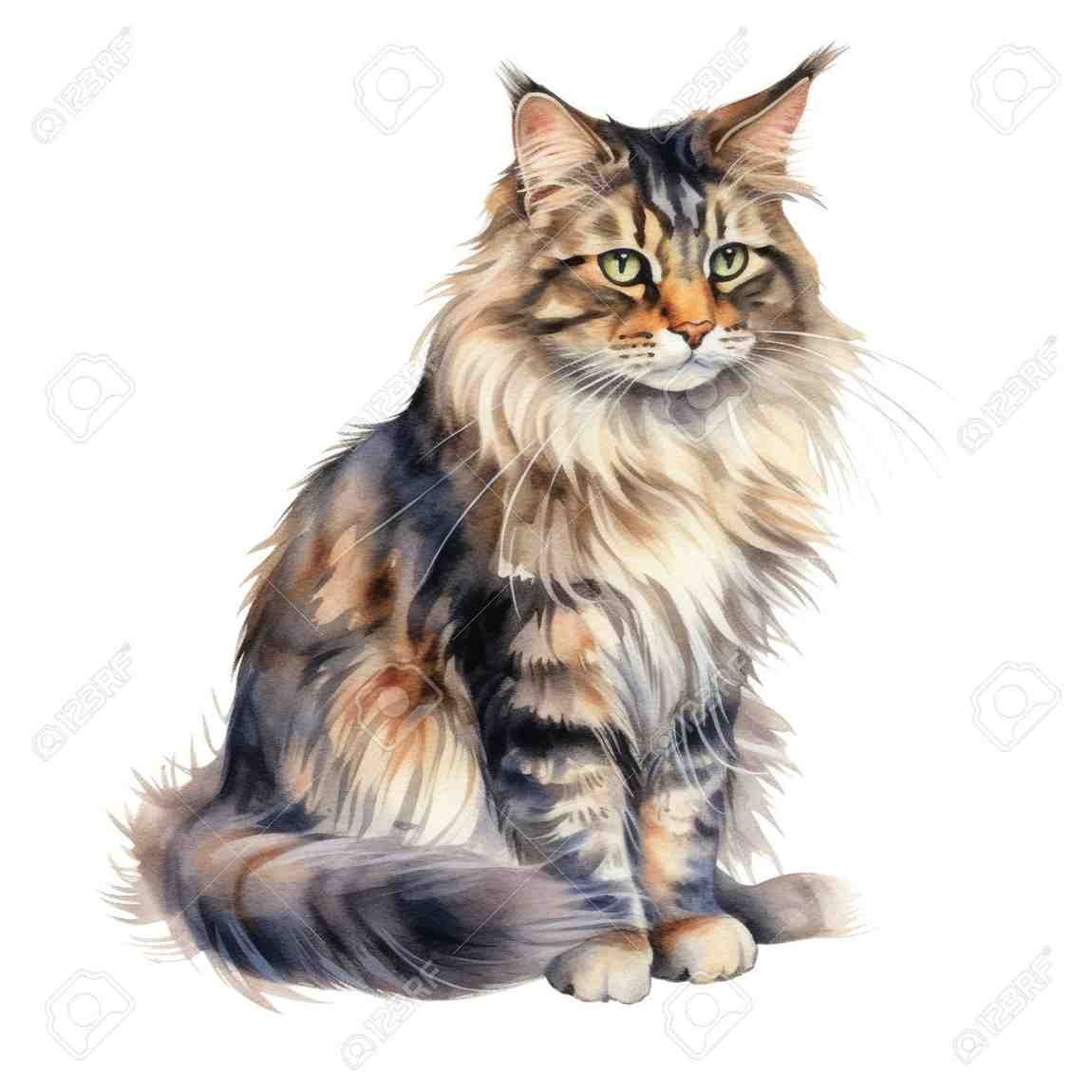
This is why I never tire of the origin story. The size is the farm and the winter, kept because big cats survived and worked. The long tail wraps around a sleeping cat like a scarf, the ear tufts shed snow, and those big furred paws still look made for drifts rather than carpets.
Even the colours carry the past. The classic brown tabby that started the raccoon talk is only one option now, and my guide to Maine Coon colors runs through the reds, silvers, smokes, and solids that breeders developed later. Cosey’s grandchildren, so to speak, come in far more outfits than she ever saw.
Strip away every legend and the core fact is still a good one. Ordinary cats, brought by sea and shaped by one hard little state, became a breed the whole world now wants on its sofa. As far as I am concerned, Captain Coon and the queen can share the credit with the farmers, because all of them, real or not, kept people talking about this cat.
Frequently Asked Questions
Are Maine Coons really part raccoon?
No, that story is a myth. Cats and raccoons are different species and cannot produce kittens together, so the idea is biologically impossible. The tale likely stuck because brown tabby Maine Coons have ringed, bushy tails and a name that sounds like raccoon.
Where did Maine Coons actually come from?
The best supported account is that longhaired cats arriving on ships bred with local shorthaired cats in New England. Over generations in Maine, the cold climate favoured the biggest, thickest coated survivors. No single ship or person has ever been proven as the starting point.
Who was Cosey, and why does she matter?
Cosey was a brown tabby Maine Coon owned by Mrs. Fred Brown. In 1895 she won Best Cat at Madison Square Garden in New York, at the first North American cat show. Her win is a hard, dated fact in a breed history full of legends, and her silver collar is still kept by the CFA.
When did the Maine Coon become an official breed?
The CFA granted the breed championship status in 1976, after years of work by breeders and clubs. Maine then named the Maine Coon its official state cat in 1985. TICA also recognises the breed and describes it as one of the oldest natural breeds in North America.
Did Marie Antoinette or the Vikings really bring Maine Coons to America?
Both stories are legends, and neither one has solid proof behind it. The Marie Antoinette tale says her longhaired cats reached Wiscasset in Maine without her, while the Viking theory points to the breed’s likeness to the Norwegian forest cat. They are good stories, but the documented record starts much later, in the 1800s.

One Comment