Maine Coon Price: What You Will Really Pay
People usually ask me about the maine coon price after they have already fallen for a photo. I understand that order, because I live with one of these cats and the face does most of the selling.
Then the numbers arrive and the mood changes. So let me lay out what you will really pay, from the kitten itself through the first year and the quiet yearly bills that follow.
Every figure here is a range for 2026, not a quote. Prices shift by country, city, breeder and colour, and any breeder who gives you a single fixed story for every kitten is simplifying things.
The short answer first
Most buyers in the United States and Europe pay 1,500 to 3,500 dollars for a pet quality kitten from a breeder who health tests the parents. Show quality kittens, breeding rights and the colours everyone asks for can climb to 4,000 to 6,500 dollars or more.
Adoption sits at the other end at roughly 100 to 500 dollars. Retired breeding adults and older kittens usually fall somewhere between those two worlds.
That purchase price is also not the whole commitment. In my experience the kitten price is only the deposit, because food, vet care and sturdy gear for a very large cat keep adding up for 12 to 15 years.
Kitten prices by type
Pet quality kittens
Pet quality is the range most families should study. Expect 1,500 to 3,500 dollars for a kitten sold on a spay or neuter agreement, with no breeding rights and no promise about the show ring.
Pet quality does not mean low quality. It usually means a small feature, such as muzzle shape, ear placement or coat pattern, is not quite what a judge would reward, while the kitten is still healthy, well raised and fully Maine Coon in temperament.
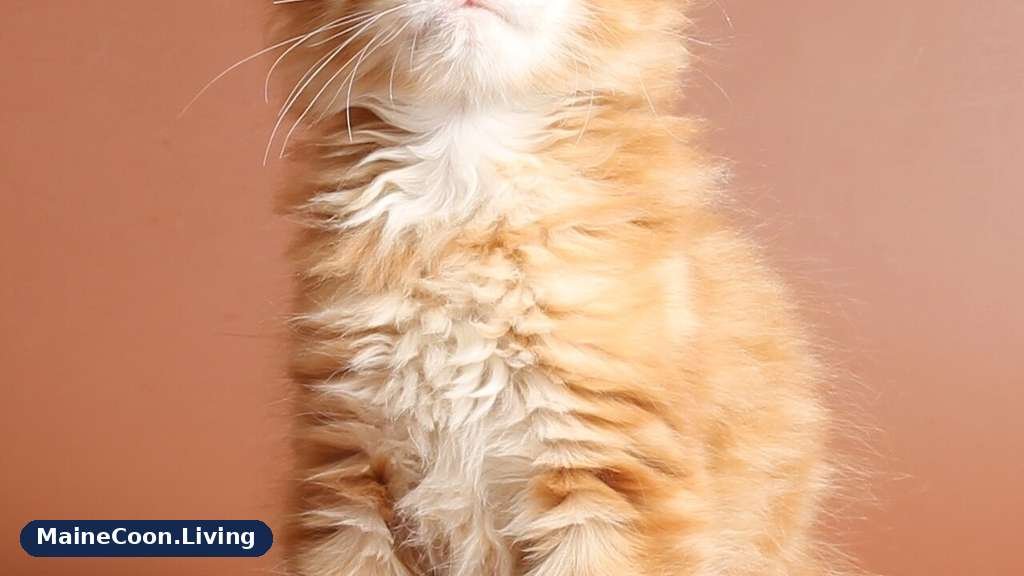
Common colours, such as brown tabby, black and red tabby, tend to sit at the lower or middle part of this range. If a breeder prices every kitten identically regardless of litter costs, that is not a problem by itself, but ask what is included.
Show quality and breeding rights
Show quality kittens commonly cost 3,500 to 6,500 dollars, and exceptional lines can go higher. You are paying for structure, coat, size potential and parents whose own show or health records took years and serious money to build.
Breeding rights are a separate decision and a separate price. Some breeders never sell them, others add 1,000 to 3,000 dollars or sell only to established catteries they mentor, so a pet price and a breeding price are not comparable numbers.
If you have no plan to show or breed, do not pay for that tier to feel safer. A well tested pet kitten from the same litter often gives you the same companion at a lower cost.
Rare colours and patterns
Colour is where prices get emotional. Silver, smoke, shaded, solid white, blue and high white kittens are often priced 500 to 2,000 dollars above a common tabby from a comparable breeder.
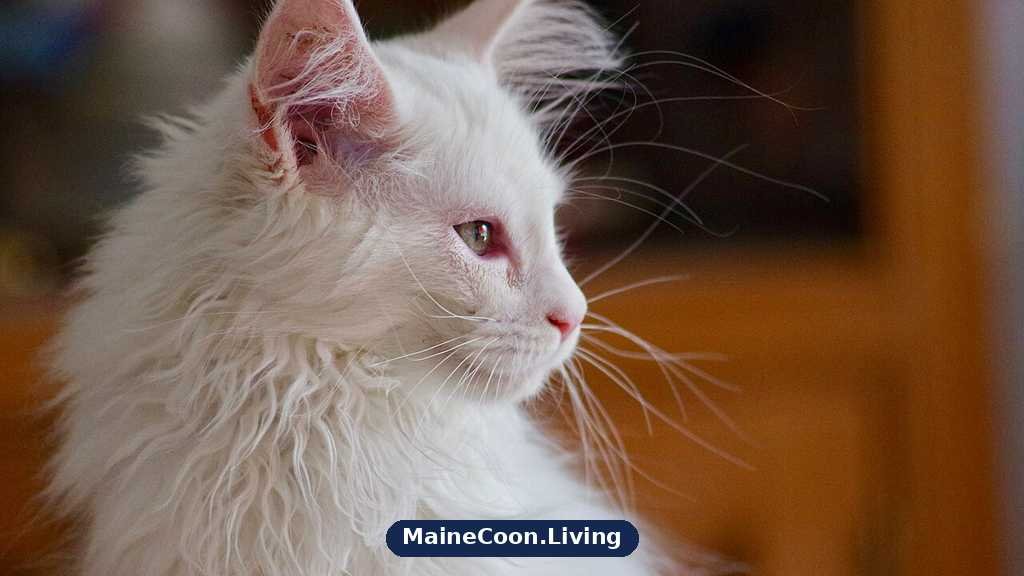
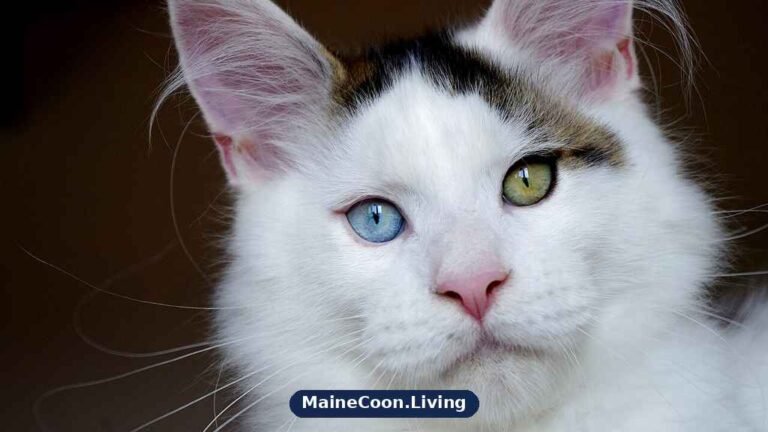
Blue eyes on a white cat, odd eyes and strongly shaded coats attract long waitlists. That demand premium is real in the market, even though registries such as TICA judge the cat in front of them rather than paying anyone extra for a fashionable colour.
My honest view is simple. Pay a colour premium only after the health paperwork checks out, because a striking coat will not comfort you if the heart screening behind the kitten is missing.
Polydactyl kittens
Polydactyl Maine Coons have extra toes, a trait with deep roots in the breed history in New England. Depending on the breeder and region, they often cost 2,000 to 5,000 dollars, sometimes a few hundred dollars above standard paws in the same litter.
Some breeders price them exactly like their normal toed siblings. Others treat them as a special line, so this is one category where comparing three or four breeders teaches you more than any single price list.
Extra toes do not mean extra vet bills in most cases. You may trim more nails and check between those toes during grooming, but the running cost is much the same as any other Maine Coon.
Older kittens and retired adults
A kitten who did not sell at 12 to 16 weeks is sometimes reduced by a few hundred dollars as it grows. That can be good value, because you still get the breeder raising, the vaccinations and a clearer view of size and personality.
Retired breeding cats are often rehomed for 500 to 1,500 dollars, sometimes less to the right home. They are usually neutered before placement, health tested during their breeding life and socialised in a home or cattery setting.
For a household that wants the breed without the kitten chaos, this route deserves real thought. You skip the tiny kitten stage and a large part of the kitten price at the same time.
What pushes the price up or down
Health testing behind the parents
Testing is the biggest legitimate cost inside a kitten price. Responsible breeders pay for DNA screening for conditions such as spinal muscular atrophy and pyruvate kinase deficiency, plus heart ultrasounds for hypertrophic cardiomyopathy and hip assessment where they follow that protocol.
Cornell and other veterinary sources describe hypertrophic cardiomyopathy as the most common heart disease in cats, and screening breeding cats is not cheap or one time only. Heart scans are repeated, breeding cats retire, and litters are small compared with the bills.
When you see a higher price from a breeder who can show dated test results for both parents, this is usually where a good part of the money went. It lowers risk, even though no test can promise a perfect outcome.
What is included before pickup
Two kittens at 2,500 dollars can be very different deals. One price may include two or three vaccination rounds, deworming, a microchip, a vet health certificate, registration papers, a month of insurance and neutering already done.
Another price may include almost none of that. Add 300 to 800 dollars for the missing vet work and the cheaper kitten can quietly become the more expensive one in the first month.
This is why I tell friends to compare a written list, not a number in an advert. Our Maine Coon kitten checklist helps you organise what should be ready and what should come home with the kitten.
Region, demand and waitlists
Coastal cities and areas with very few established breeders tend to sit at the top of the range. Lower cost regions, and countries where the breed is more common, can sit several hundred dollars lower for a similar standard of care.
Waitlists also move prices. A breeder with a year of homes waiting has no reason to discount, while a breeder with a large litter and fewer reservations may be flexible, especially for common colours or male kittens.
Travel adds its own layer. Driving a long distance, paying for a flight nanny or arranging compliant pet transport can add 200 to 800 dollars, and sometimes more for international moves.
Pedigree, paperwork and support
Registration with a recognised registry, a written contract and a health guarantee all cost the breeder time and money to maintain. Imported parents or champion lines raise the underlying costs further, and that shows up in kitten prices.
Lifetime support sounds soft until you need it at midnight with a kitten who will not eat. Breeders who answer, advise and take a cat back at any age if your life collapses are offering something with real value.
None of that means the most expensive breeder is automatically the best. It means you should be able to see what the extra money buys, in records and in practice.
Adoption and rescue fees
Adoption fees for a Maine Coon or Maine Coon mix in a general shelter usually run 75 to 300 dollars. Breed specific rescues and private rescues that have paid for dental work, blood tests or surgery more often charge 250 to 500 dollars.
Those fees rarely cover what the rescue spent. They normally include neutering, core vaccinations, flea and worm treatment and a microchip, which is why adoption is such strong value even before you count the good you are doing.
The trade off is choice and certainty. Purebred kittens almost never wait in shelters, paperwork is uncommon, and you may take on an adult with an unknown history or a known condition that needs management.
The ASPCA pet adoption guidance is a sensible place to understand how shelter fees and processes work. If your heart is set on a specific colour, sex and kitten age, rescue will require patience and flexibility.
First year costs, itemised
The first year surprises people more than the kitten price does. You are buying everything at once, paying for kitten vet visits and feeding a cat who seems to grow while you watch.
Here is a realistic first year list for a breeder kitten, excluding the purchase price itself. Local vet pricing can move any line up or down.
- Extra large litter boxes, litter setup and a sturdy scoop: 60 to 150 dollars
- Heavy duty scratching post and a cat tree built for a large adult: 150 to 400 dollars
- Large carrier, bed, bowls and a water fountain: 100 to 250 dollars
- Starter toys, wand toys and replacements for the ones that get destroyed: 60 to 150 dollars
- Brush, steel comb, nail clippers and shampoo: 40 to 90 dollars
- First vet check, remaining vaccinations and parasite control: 200 to 450 dollars
- Spay or neuter, if not already done by the breeder: 200 to 600 dollars
- Microchip, if not already included: 25 to 75 dollars
- Food for the first year, mixed wet and dry: 900 to 1,800 dollars
- Litter for the first year: 300 to 600 dollars
- Pet insurance for the first year, if you choose it: 300 to 700 dollars
Add those lines and most owners spend about 2,000 to 4,000 dollars on setup and care in year one, on top of the kitten. Together with a typical pet kitten price, the full first year often lands near 3,500 to 7,500 dollars.
Adopters spend less at the start because the fee is lower and some vet work is already done. They still need the same oversized gear, food and litter, so a careful adoption first year is more often 800 to 2,500 dollars in total.
Our Maine Coon buying guide covers the wider buying process, while this page stays on the money. Keeping those two jobs separate will stop the budget and the breeder search blurring into one stressed decision.
Ongoing annual costs
Food, the biggest yearly bill
An adult Maine Coon eats noticeably more than an average sized cat. Most owners I talk to spend 75 to 150 dollars a month on food, which is 900 to 1,800 dollars a year for a good quality mixed diet.
All wet feeding, prescription diets or a very large male can push that higher. Dry food only feeding lowers the bill, but many owners, myself included, prefer some wet food in the routine for hydration.
If you want to see how food choices affect that monthly figure, our guide to the best cat food for Maine Coon cats and kittens breaks down the options without turning dinner into a luxury hobby.
Litter, grooming and everyday bits
Litter usually runs 25 to 50 dollars a month for one cat, depending on the type you use and how generously you fill a very large box. That is 300 to 600 dollars a year for something nobody brags about buying.
Grooming at home mostly costs time, plus replacing brushes and shampoo now and then. Professional grooming, lion cut corrections or severe mat removal can add 75 to 200 dollars a visit, and sedation at a vet for a badly matted coat costs much more.
Toys, scratcher refills, treats and small replacements are easy to forget. I would allow 100 to 300 dollars a year and expect a big, playful cat to test the durability of everything you buy.
Routine vet care and insurance
A yearly wellness visit with vaccinations, parasite control and basic checks commonly costs 150 to 400 dollars. Blood work for a middle aged or senior cat, dental assessment and any follow up testing sit on top of that.
Dental cleaning under anaesthesia is the routine item that shocks owners. Budget 400 to 1,000 dollars or more when it is needed, especially if teeth also need removing.
Insurance for a Maine Coon often falls near 25 to 70 dollars a month depending on age, location and cover level. The alternative is a dedicated savings pot, and our senior Maine Coon care guide shows why that pot matters more as the years pass.
Annual and lifetime totals
Put the normal years together and most owners spend 1,200 to 2,500 dollars a year after the first year. That covers food, litter, routine vet care, insurance or savings, grooming bits and replacements, without a major emergency.
A healthy middle year can sit near the bottom of that range. A year with a dental, a heart scan or a few nights of emergency care can cost 3,000 to 6,000 dollars on its own, which is why averages need a cushion beside them.
Across a 12 to 15 year life, a realistic lifetime total is often 20,000 to 35,000 dollars including the purchase price and first year. Some careful owners will spend less, and one serious illness can move any family above that range.
I do not share that total to scare anyone off. I share it because a cat who may be with you into your next house, next job and next decade deserves a budget that was honest at the start.
Why cheap kittens are a red flag
Prices that should make you pause
When purebred kittens are advertised at 300 to 800 dollars in a market where tested breeding costs what it does, ask what was skipped. At that level there is rarely money left for heart scans, DNA tests, quality food, vaccinations and weeks of careful raising.
The same warning applies to a seller who can always supply any colour, any sex, right now, at a discount for quick payment. Real litters are limited, seasonal and messy, and honest breeders often have a wait rather than a permanent sale.
Deposit scams sit in this territory too. Stolen photos, pressure to pay by an untraceable method and refusal of live video are price problems as much as trust problems, because the kitten in the photo may not exist.
What the saving often costs later
A kitten sold too young, poorly socialised or carrying parasites can generate vet and behaviour costs in the first month alone. Correcting nutrition, treating infections and rebuilding confidence takes time as well as money.
The heavier risk is inherited disease with no screening behind it. Heart disease, hip problems and other serious conditions can mean specialist bills in the thousands and, far worse, losing a cat you love far too early.
This page is about prices, not a full vetting manual. For the step by step checks, use our guide on how to find reputable Maine Coon breeders and let that process confirm whether a fair price is also an honest one.
Judging value before you pay
Value, to me, is a tested kitten, raised in a clean home, leaving at a proper age with vet records you can hand to your own vet. A price inside the normal range that buys all of that is better value than a bargain that buys uncertainty.
Ask for the price and the included list in writing. Then compare two or three breeders on the same basis, including travel, neutering and insurance, before you decide who is actually expensive.
If the total still stretches you, waiting is a respectable choice. So is adopting an adult, choosing a common colour or saving for another six months, because the cat will need you to be financially steady long after pickup day photographs fade.
Frequently Asked Questions
How much does a pet quality Maine Coon kitten cost in 2026?
Most pet quality kittens from health testing breeders cost 1,500 to 3,500 dollars in 2026, with many solid breeders sitting near 2,000 to 3,000 dollars. Price varies a lot by region, colour and what vet work is included, so compare the full package rather than the headline number alone.
Why do rare colours and polydactyl kittens cost more?
They cost more because demand is higher than supply, not because they need different care. A silver, smoke, solid white or extra toed kitten can add several hundred dollars or more to the same litter price. You are paying for rarity and looks, so the health testing behind the kitten still matters far more.
Is adopting a Maine Coon much cheaper than buying a kitten?
Yes, adoption is usually the lowest cost route, at about 100 to 500 dollars for a shelter or breed rescue fee. That fee often includes neutering, vaccinations and a microchip. Purebred kittens are rare in rescue, though, so most adopters will meet adults, mixes or cats with known health or behaviour needs.
How much should I budget for the first year and each year after?
Plan on roughly 3,500 to 7,500 dollars in the first year if you buy a breeder kitten, once the purchase price, setup and early vet care are added together. After that, most owners spend about 1,200 to 2,500 dollars a year on food, litter, routine vet care and insurance or savings. An emergency or a senior health problem can push a single year well above that range.
Is a very cheap Maine Coon kitten a good deal?
Almost never, because a price far below the normal breeder range usually means health testing, vaccinations or proper raising were skipped. That saving can turn into large vet bills, behaviour problems or a kitten who is not a purebred Maine Coon at all. If the seller will not show test results and live video, walk away and keep looking.

3 Comments