Blue Maine Coon Cats: Facts Every Owner Should Know
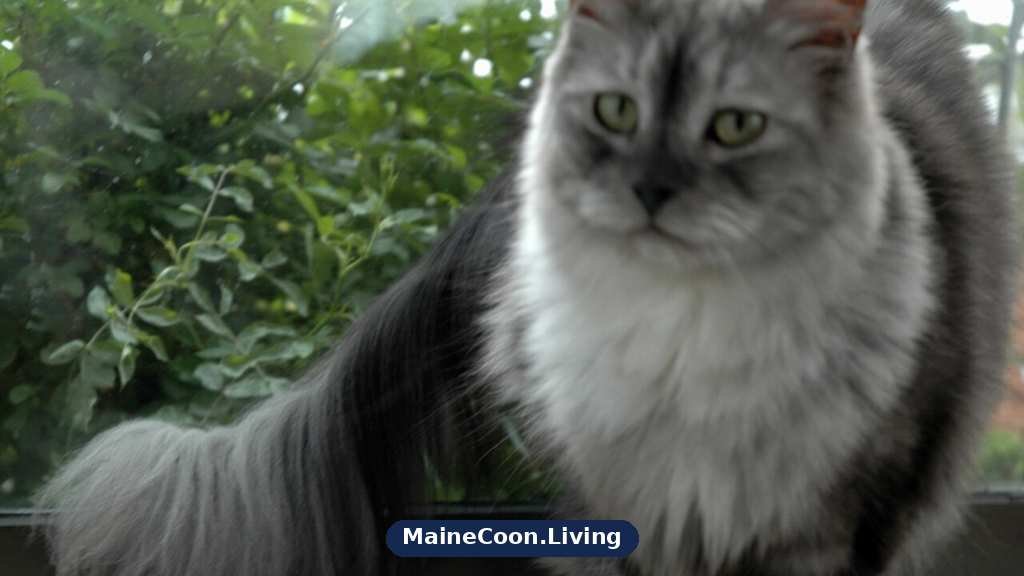
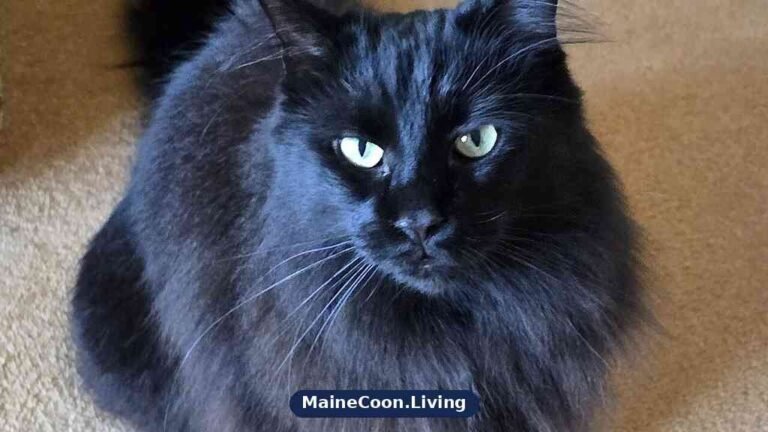
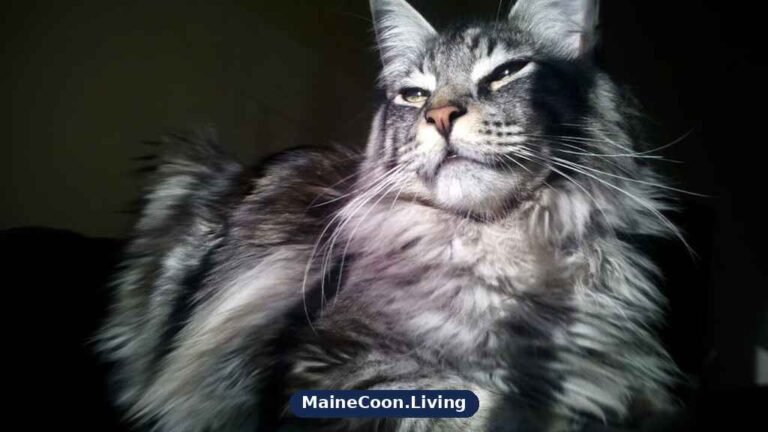
The blue cats are the ones visitors ask about first in my house. They point at that soft grey coat, say the word grey, and then look confused when I answer with the word blue.
Both words describe the same cat, and this page is my attempt to explain why. I am Umar, I live with Maine Coons, and blue is the colour I have spent the most time looking at up close.
So this guide stays on blue alone, rather than skimming every colour in the breed. If you want the full picture first, start with my guide to Maine Coon colours and then come back here for the detail.
Blue Is Diluted Black
Blue is not a separate pigment and it is not a light version of grey paint. Blue is diluted black, which means the cat carries the black colour at a lower visual strength.
Think of the pigment inside each hair as tiny dark grains. On a black cat those grains spread out evenly along the hair shaft, so the hair soaks up light and reads as deep black.
On a blue cat the grains clump together in small uneven clusters, with clear gaps between the clusters. Light slips through those gaps and bounces around, and your eye reads the result as a cool grey with a blue cast.
That clumping is the work of the dilution gene, which a kitten needs in two copies before blue can show. One copy only makes the kitten a carrier, and a carrier can look completely black while still passing dilution to its kittens.
It helps to place blue beside its parent colour before you look at patterns. My guide to black Maine Coon cats shows the undiluted version, and the jump from that deep black to this softer slate is dilution doing its work.
Three Faces of Blue
Blue shows up in three main forms in this breed, and owners mix them up all the time. The quick way to separate them is to look for markings first, and then to part the coat and check the roots.
Solid Blue
A solid blue wears one even shade of blue grey from nose to tail tip. There should be no stripes, no patches and no pale roots hiding underneath.
Young solid kittens often break that rule for a while with faint ghost markings on the legs and tail. Those marks sit in the kitten coat only, and they usually fade away as the thicker adult coat grows in.
In bright daylight a good solid blue looks almost like polished slate. In warm indoor light the same cat can look much softer, which is why judging this colour from one phone photo is a mistake.
Blue Tabby
A blue tabby wears its markings in a darker shade of blue over a paler blue ground. Look for the letter shape on the forehead, stripes on the legs and rings around the tail.
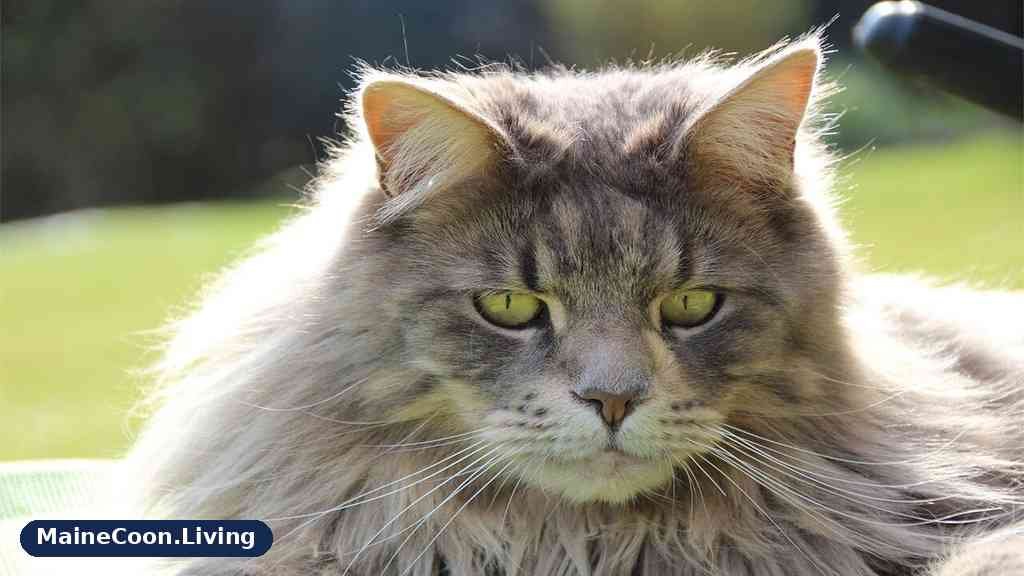
The markings follow the usual tabby patterns, so you will meet broad swirling classic patterns and narrower striped mackerel patterns. Both read clearly on a blue tabby, unlike the shy markings on a solid blue kitten.
The chin and the area around the lips often look paler than the rest of the face. That pale detail is normal in tabbies and it is not a fault or a sign of a mixed coat.
Blue Smoke
A blue smoke can look like a plain solid blue while it sits still. The secret shows when the cat moves or when you part the fur with your fingers.
Each hair carries pale silver colour at the root and blue colour toward the tip. Ruffs, ear tufts and the lighter chest often give the game away first, because the pale undercoat pushes through in those places.
Owners often confuse blue smoke with the cats in my guide to silver Maine Coons, and the confusion is fair. The parting test settles it, because a smoke shows that pale root band on an otherwise solid looking coat, while a silver tabby keeps clear dark markings over its pale ground.
A rescue or breeder description that just says blue grey tells you very little. Ask whether the cat is solid, tabby or smoke, because those three words predict the adult look far better than the shade name alone.
From Kitten Mushroom to Adult Slate
Blue kittens rarely arrive in the colour they will wear as adults. Many are born looking lilac, mushroom grey or even faintly warm, and first time owners sometimes worry that the wrong kitten has been promised.
The kitten coat is short, soft and thin compared with the coat that replaces it. Light passes through it differently, so the same pigment can look washed out and powdery for the first few months.
The change is slow rather than sudden, and it follows the adult coat as it grows through. The ruff, the trousers on the back legs and the long tail usually show the deeper adult tone first.
Most blues settle into their true shade during the first two years of life, and many deepen a little as they mature. A pale six month old can be a rich slate adult, so I would never judge final colour from kitten photos alone.
Season plays a small part as well, because a fresh winter coat often looks darker and cleaner than a faded summer coat. Judge the colour after a good groom and in plain daylight, and you will get the honest version.
Breeders who know this colour warn buyers about the shift before the kitten even goes home. A simple photo diary helps, because weekly pictures show the shade creeping deeper even when day to day changes are hard to spot.
Eyes That Start Blue
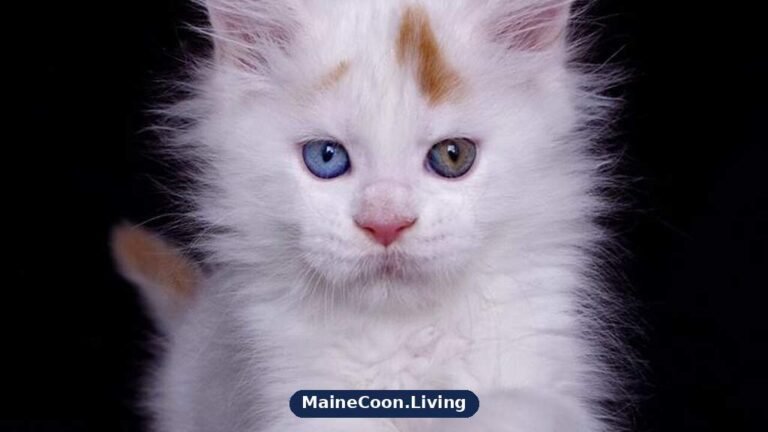
Every Maine Coon kitten opens its eyes to the world in blue, whatever colour the coat will be. That first blue is a kitten stage, caused by the iris still lacking its adult pigment.
The change usually starts at roughly six to eight weeks, when flecks of the adult colour appear inside the blue. By about twelve weeks the new colour is mostly clear, and by around sixteen weeks it has normally settled for good.
Take photos in the same light each week if you enjoy watching the change happen. Green often arrives as a ring around the pupil first, while gold and copper tend to warm the whole iris more evenly.
In blue adults the eyes settle to gold, copper or green, and all three sit well against the cool coat. A deep copper eye on a slate cat is the combination that stops people in my living room.
A blue coat does not produce blue eyes, because coat dilution and eye pigment run on separate tracks. Lasting blue eyes in this breed usually travel with a lot of white in the coat, which is a different genetic story.
The breed standards published by The International Cat Association allow green, gold and copper shades for cats of this colour. International Cat Care is another source I trust when owners want general, vet checked guidance on cat care.
The Slate Nose and Pad Check
When I want a quick colour check, I look at the nose before I look at the coat. On a blue Maine Coon the nose leather should be slate blue grey, matching the fur rather than fighting it.
The paw pads follow the same rule and sit in that same blue grey family. Pink or black pads on a supposed blue cat are a prompt to ask more questions, especially in a patterned cat where the coat can mislead you.
Eye rims and lip lines carry the colour too, showing as a soft blue grey outline. These small details stay stable while the coat changes with age, season and light, which makes them useful for young kittens.
Grooming a Blue Coat
Blue is an honest colour, and that is not always a kindness. White flakes of dandruff and pale loose hairs show on it far more clearly than they ever would on a silver or white coat.
A weekly brush through with a steel comb keeps most of that under control. Work through the ruff, the belly and the backs of the legs, because those are the places where loose fur gathers and mats begin.
Blue coats can also turn rusty, taking on a warm brown tinge that dulls the slate. Strong sun on a favourite windowsill is one cause, and an old coat that is ready to shed is another common one.
I move beds away from the harshest afternoon sun and I brush out dead coat before I blame the colour itself. Once the old fur is gone, the fresh growth underneath usually comes back in the clean blue grey you expected.
Bathing helps only now and then, and only with a cat safe shampoo when the coat truly needs it. Too much washing strips the coat and makes the colour look flatter, so grooming little and often beats a big monthly rescue job.
Colour Changes Nothing Else
Under the slate coat sits the same Maine Coon you would get in any other colour. Expect the slow chirps, the following from room to room and the habit of supervising every job in the house.
Dilution does not soften the personality and it does not add health problems of its own. A blue cat still needs the usual breed checks, a good diet and the same attention to heart and hip health as a black or tabby cat.
That is worth saying plainly because unusual colours sometimes attract inflated prices and big claims. Pay for health testing, temperament and honest breeding, and treat the colour as the pleasant extra that it is.
Blue Coats on Film
Still photographs flatten this colour, because so much of it depends on light moving across the coat. The portrait film below shows blue Maine Coons in shot after shot, and the shade shifts in it exactly the way it does in real life.
Watch how the darker blue tabbies and the paler smoke coats sit side by side in that film. It is the clearest shortcut I know for training your eye before you visit a litter.
My Honest Take
Blue is the colour I would choose again, even knowing it shows every flake and loose hair. There is something calm about that slate coat on a very large cat, especially in morning light.
Just buy the cat, not the label, and check the nose, the roots and the eyes for yourself. If those details line up, the pedigree word and the living room word will finally agree.
Frequently Asked Questions
Is a blue Maine Coon the same as a grey Maine Coon?
Yes, blue and grey describe the same coat colour in this breed. Blue is the word used in breed standards and pedigrees, while grey is the word most people use at home.
Do blue Maine Coons have blue eyes?
Kittens start with blue eyes, but adult blue Maine Coons usually settle to gold, copper or green eyes. Lasting blue eyes are uncommon in this colour and usually appear in cats with a lot of white in the coat.
How can I tell a solid blue from a blue smoke?
Part the fur on the side of the body and look at the roots of the hairs. A solid blue stays blue grey right down to the skin, while a blue smoke shows a clear band of pale silver at the root.
Why does my blue Maine Coon look rusty in places?
Sun bleaching is the usual reason, especially on cats that sleep in strong sunlight for hours each day. An old coat that is ready to shed can also look warm and dull, and the fresh coat beneath normally grows back in a cleaner blue grey.
Will a blue kitten stay the same shade for life?
Not usually, because blue kittens are often born in a pale lilac or mushroom grey shade. The colour deepens and settles as the adult coat arrives, and most cats show their true shade by the time they are about two years old.

2 Comments